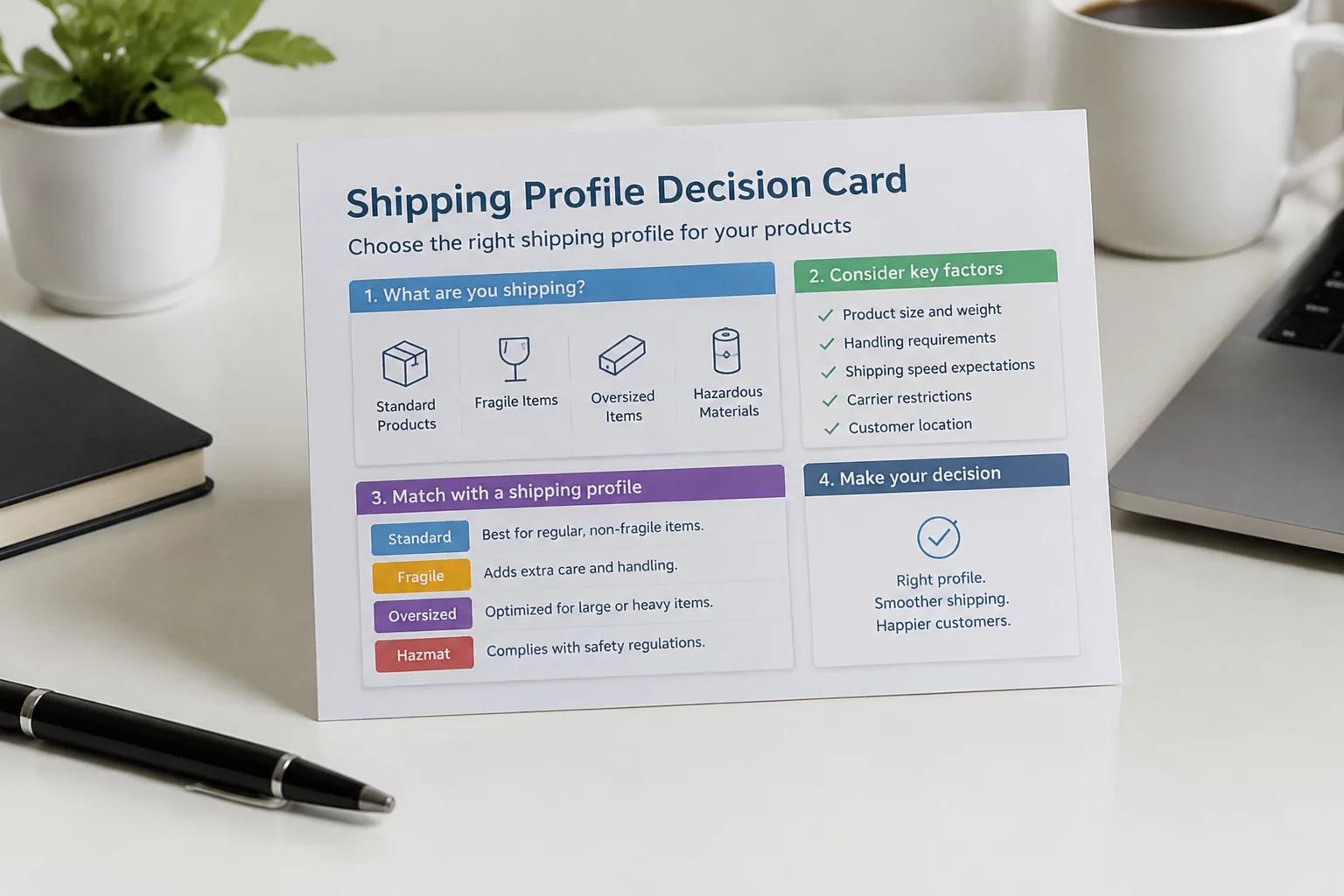
WORKFLOW 01
Profile Cases & Default Scenarios
Systematic evaluation of repeatable profile templates, identifying where baseline shipping defaults expedite desks safely.
Explore cases about customer-specific defaults, recurring shipment preferences, exceptions, and the information that still needs review each time.
“Which shipment choices are genuinely repeatable, and which still need to be reviewed each time?”
Critical decision cards establishing which desk assumptions remain predictable, and which must undergo mandatory dispatch evaluation.
Systematic evaluation of repeatable profile templates, identifying where baseline shipping defaults expedite desks safely.
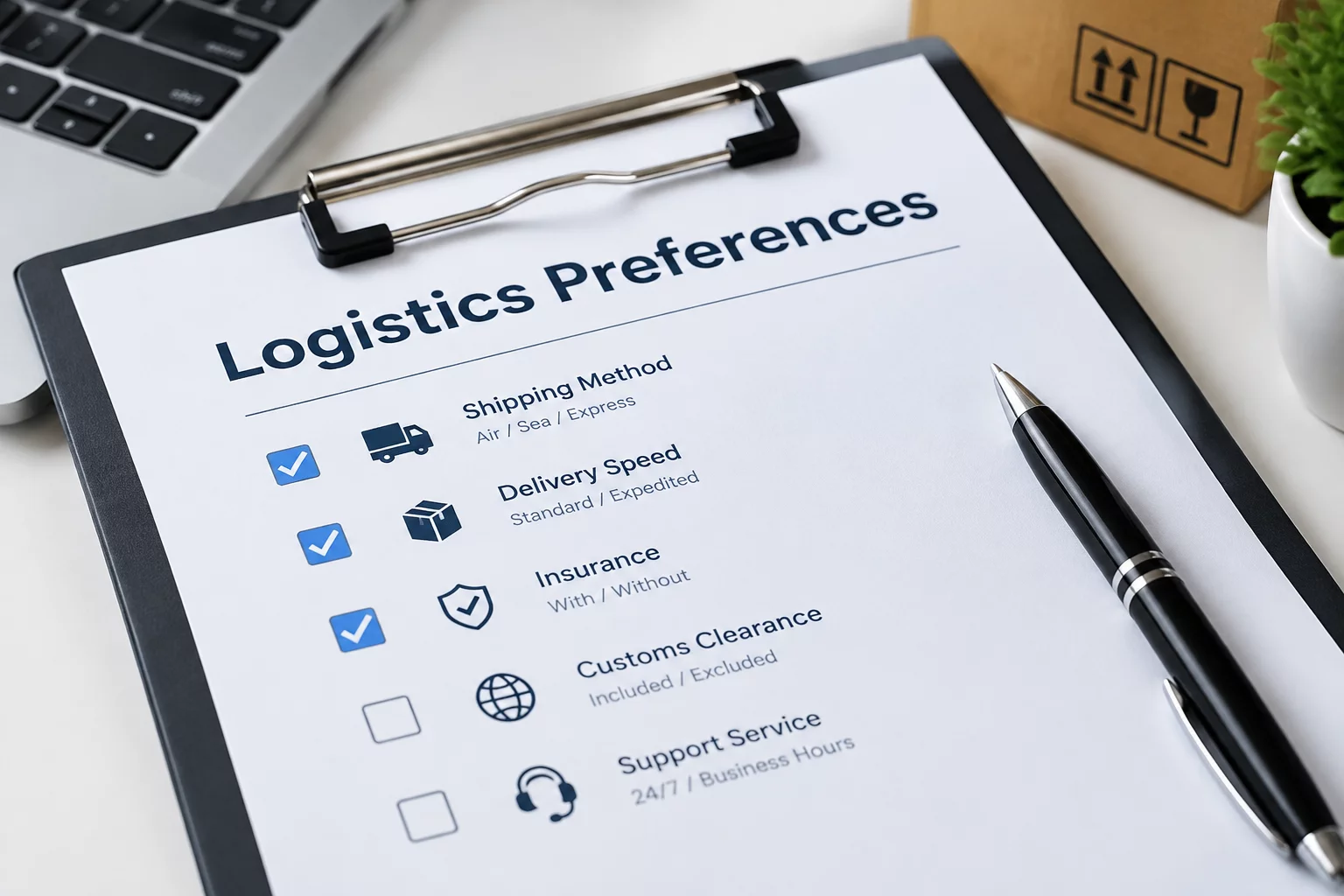
Isolating genuine customer account constants from incidental carrier selections to avoid unverified packaging assumptions.

Defining recurring friction points like parcel dimensions, hazardous materials, and custom delivery constraints.
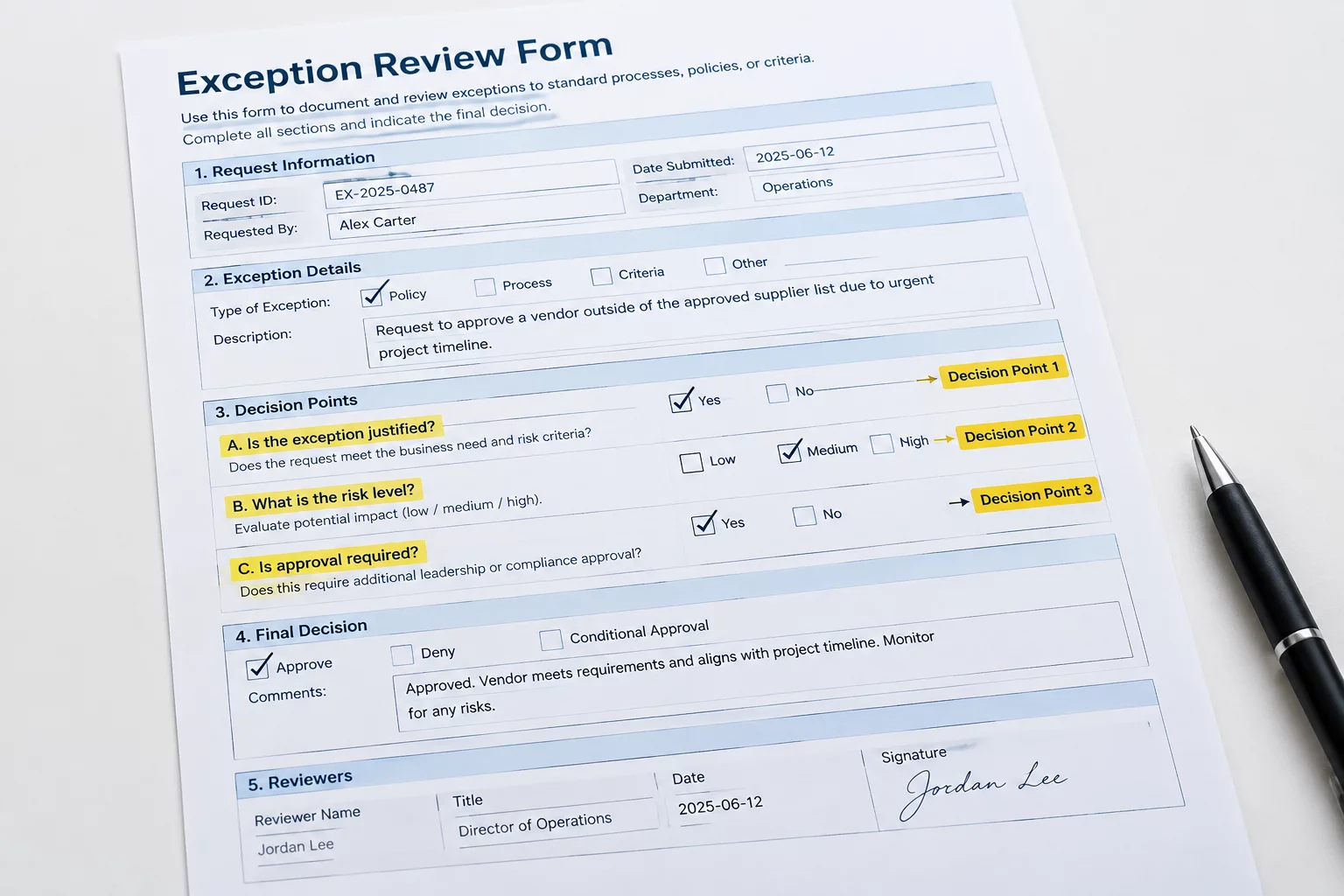
Actionable guidelines for desk operators when standardized profiles create conflicts with live shipment physical parameters.
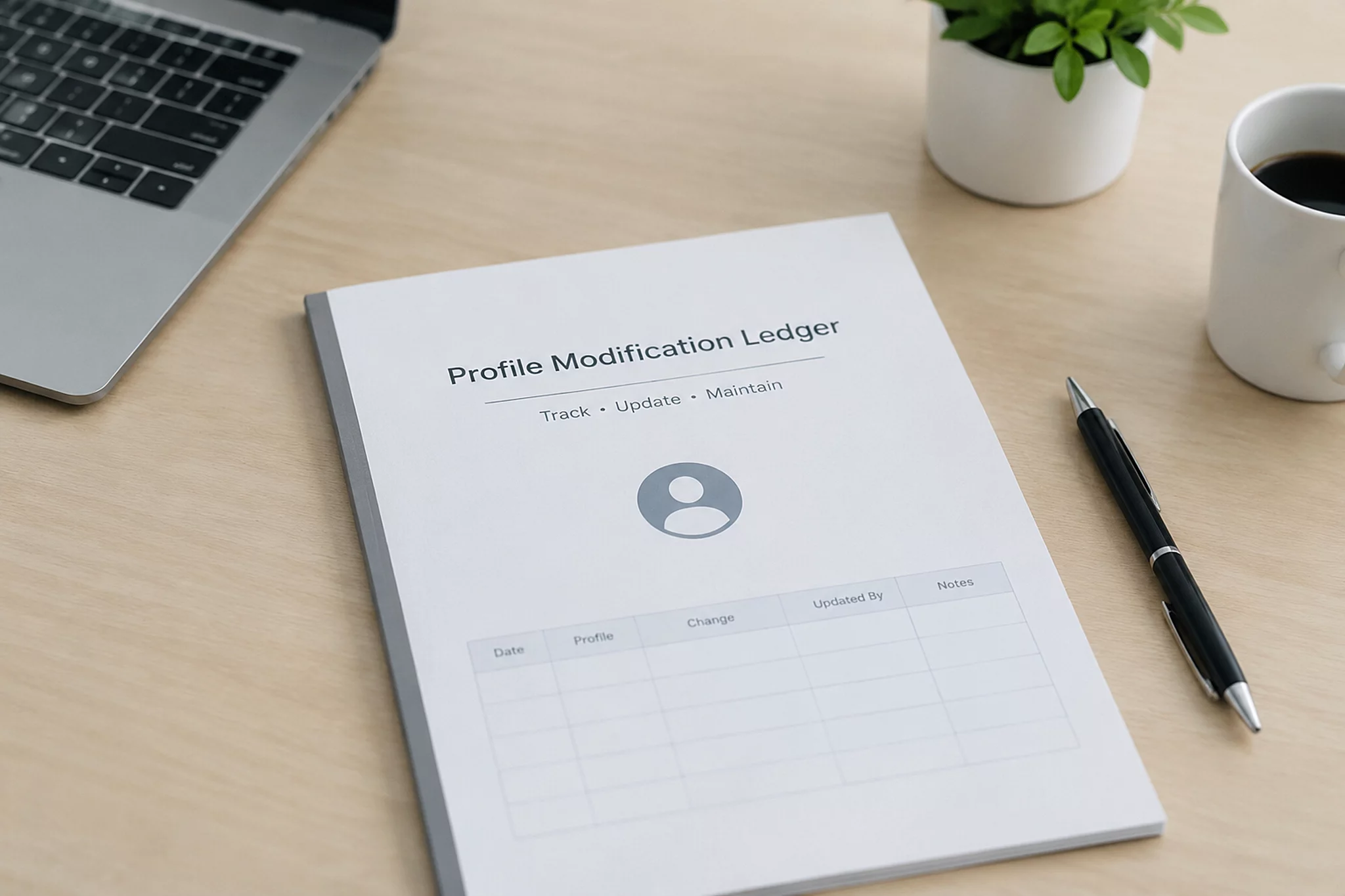
Why the default was changed — documenting the reasoning and audit trail behind every altered baseline.

Repeatable business patterns — distinguishing genuine recurring shipments from incidental similarities.
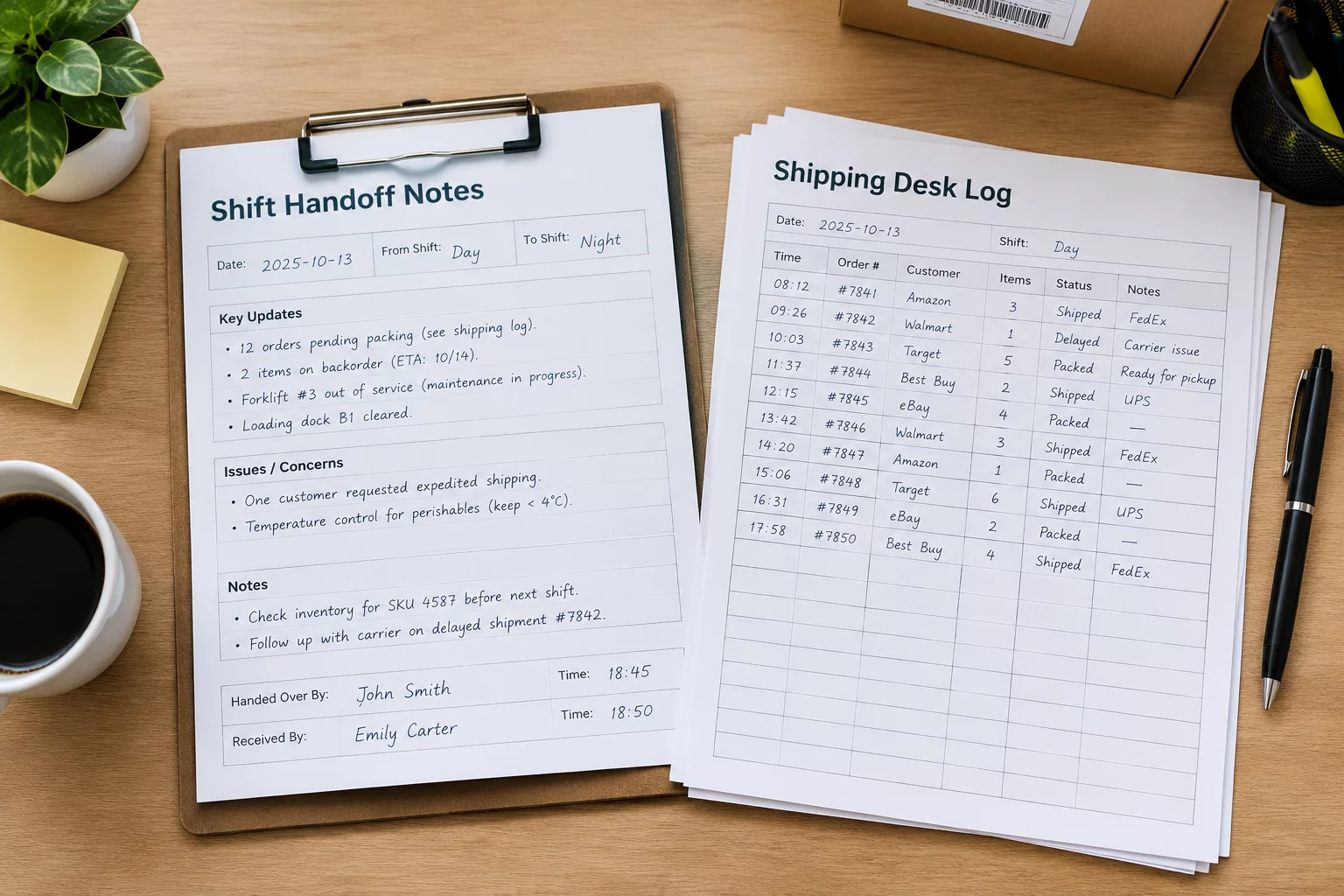
What the next operator must understand — open exceptions, temporary locks, and uncommitted drafts.
Verified operational playbooks for shipping desk operators when customer defaults conflict with destination requirements, package context, or billing instructions.
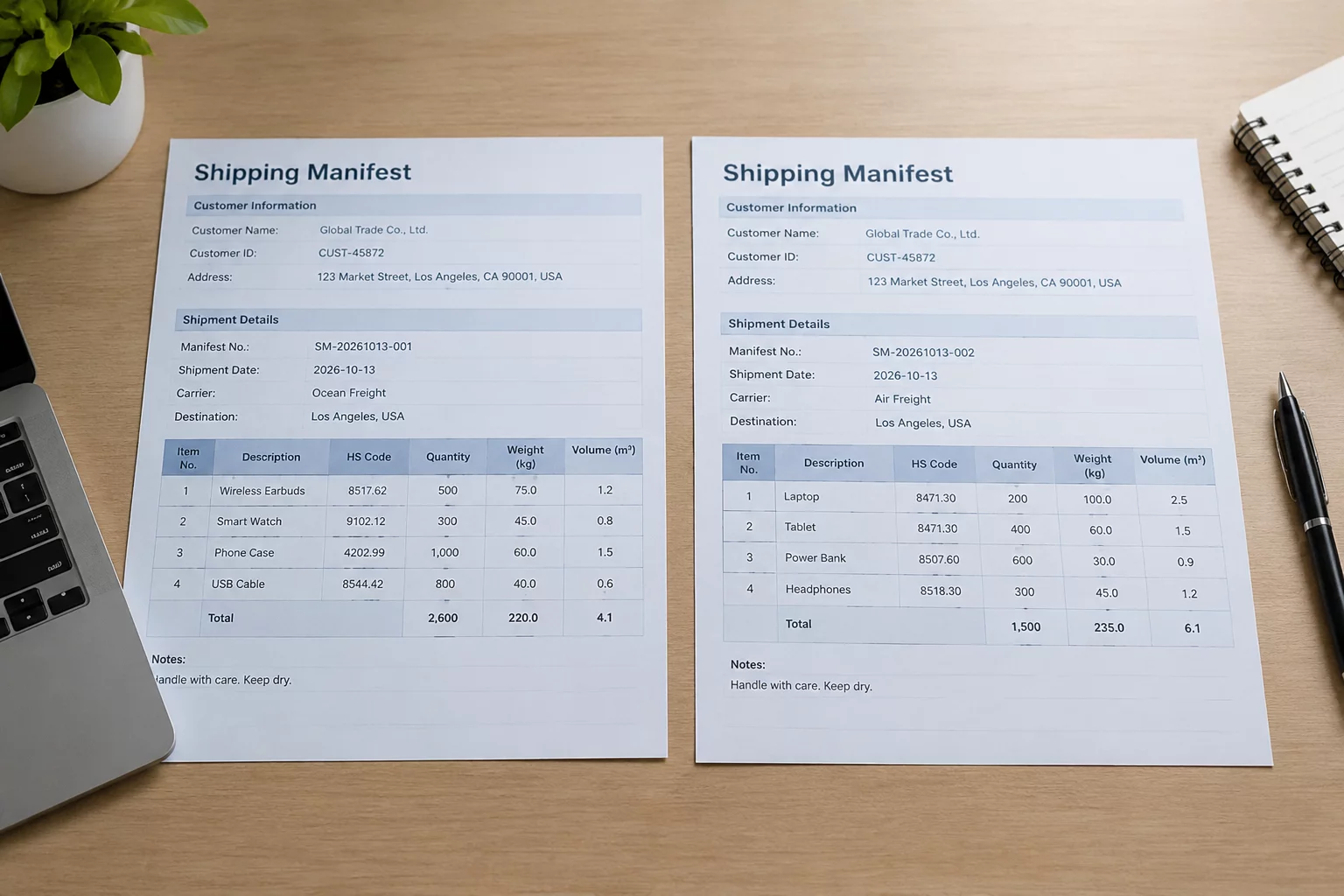
Detecting physical dimension shifts and freight service deviations across recurring accounts before automated defaults lock the manifest.
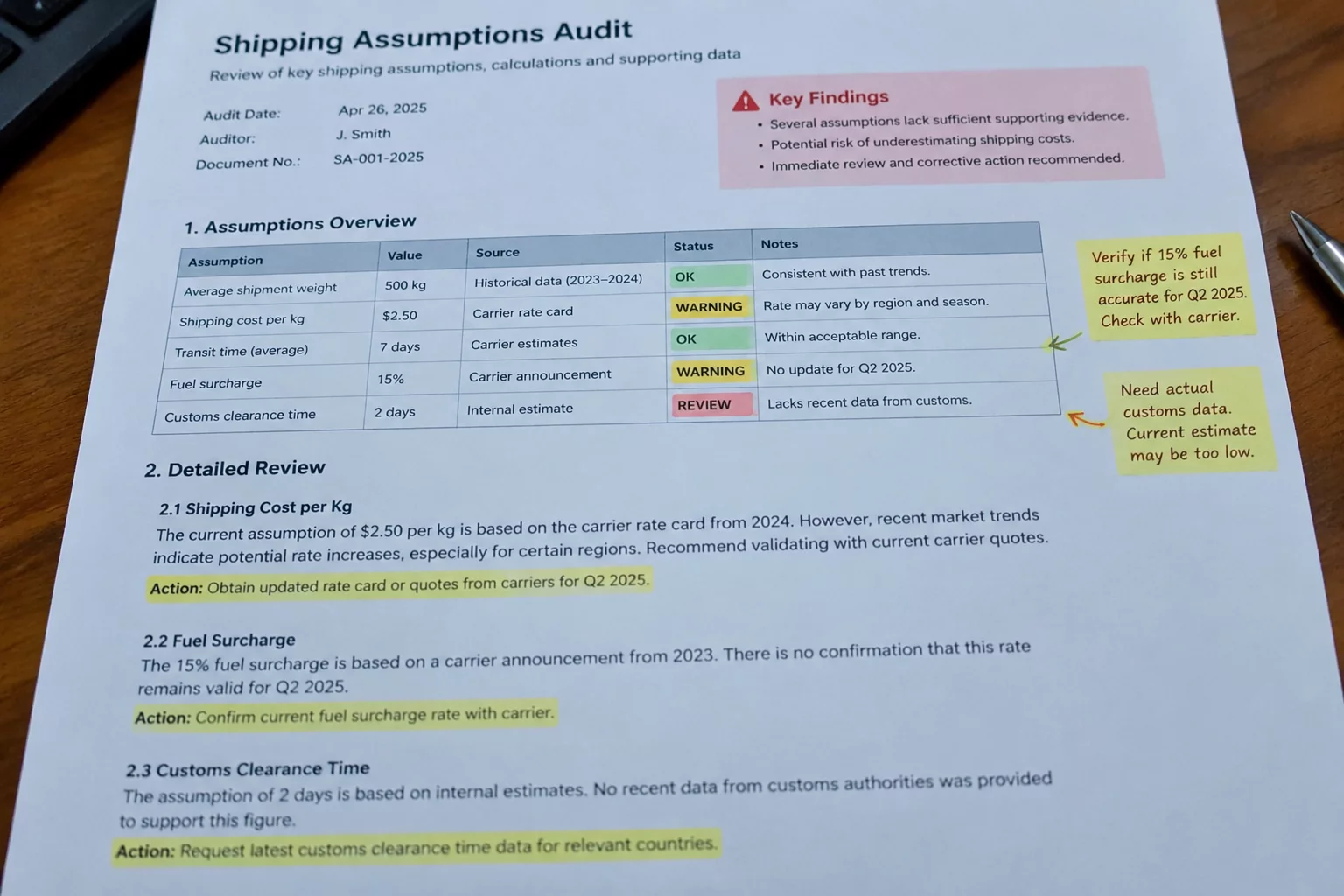
How long-standing preset fields turn into operational blind spots when dispatch operators bypass per-consignment validation rules.
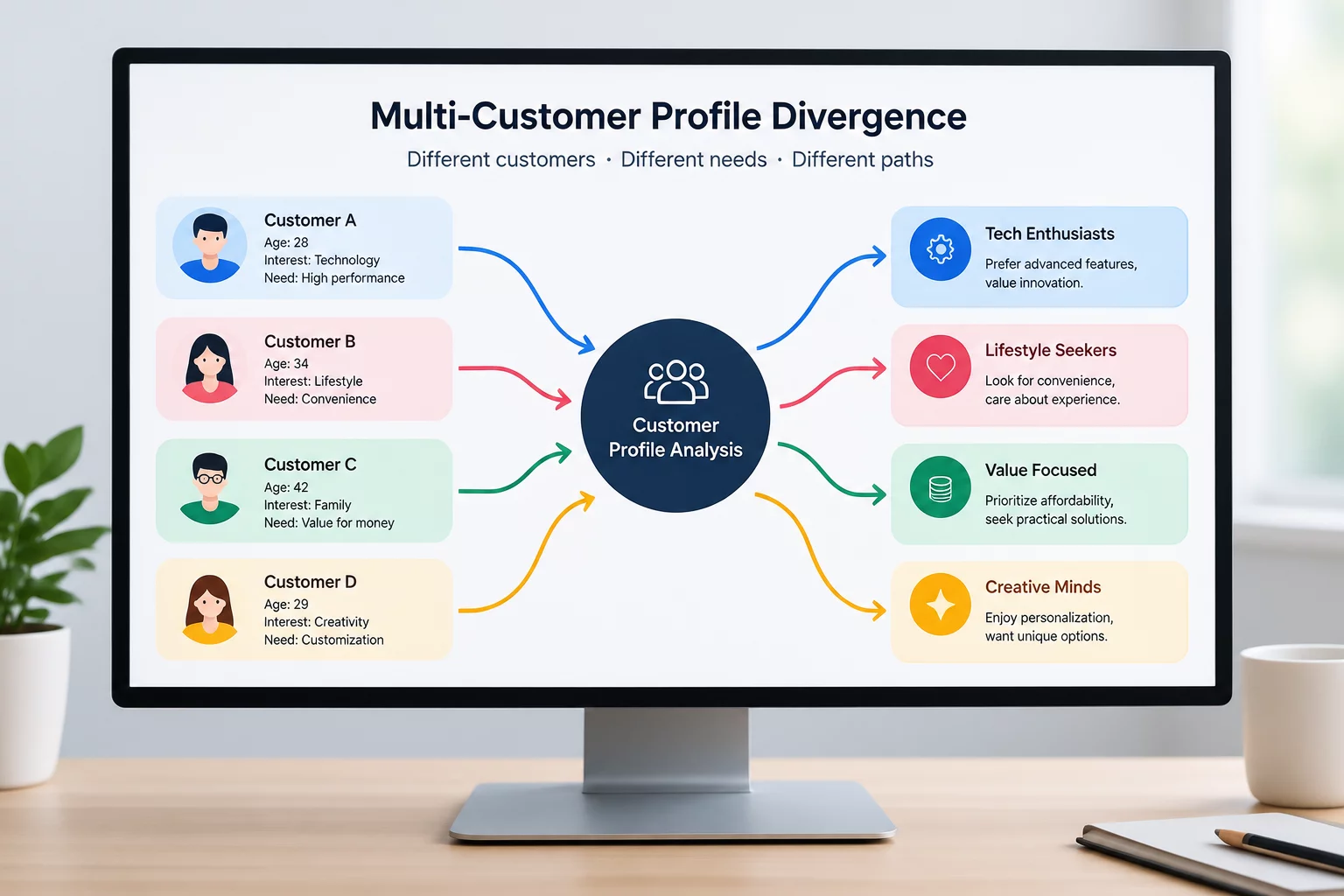
Managing shared customer configurations when a single enterprise partner modifies parcel handling requirements without system notice.
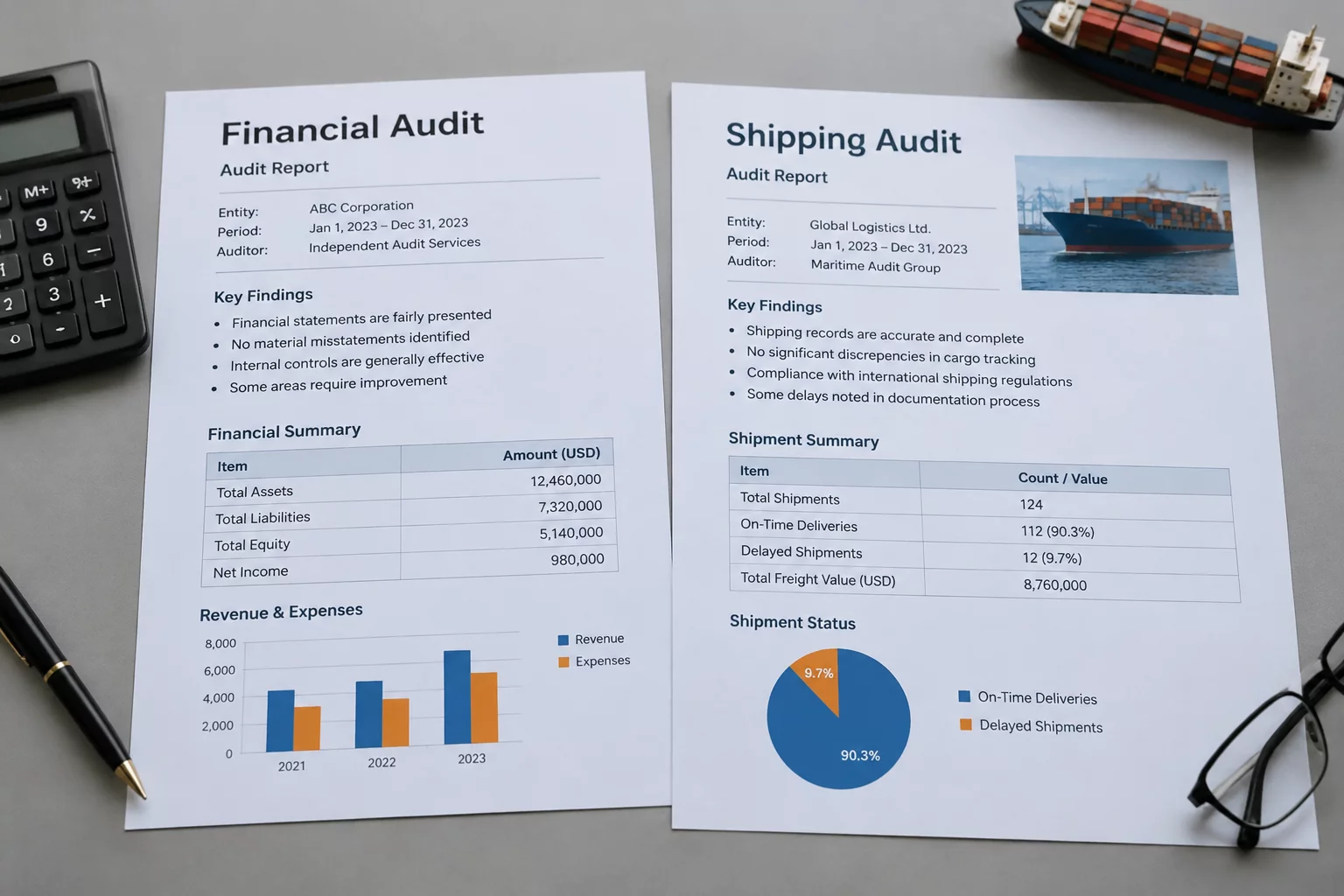
Safeguards against automated freight invoicing errors when routine consignments require split terms or specific third-party cost routing.
Field analyses isolating verified customer preferences from dynamic package variables, operator assumptions, and edge-case disruptions.
 Decision Case #01
Examining recurring customer accounts dispatching anomalous package contexts that broke default profiles.
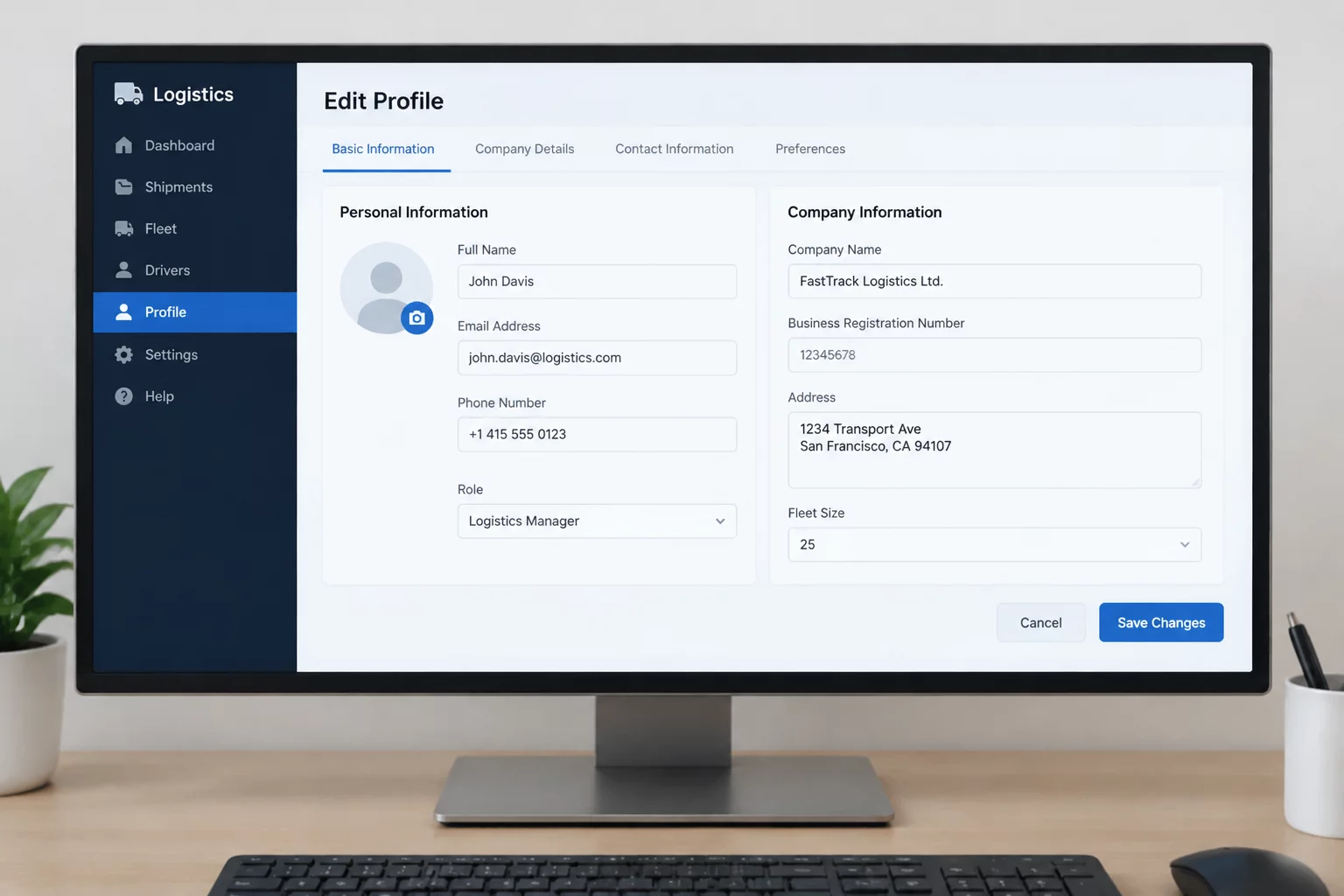 Decision Case #02
How over-configuring software profile defaults creates desk inertia and unchecked shipping errors.
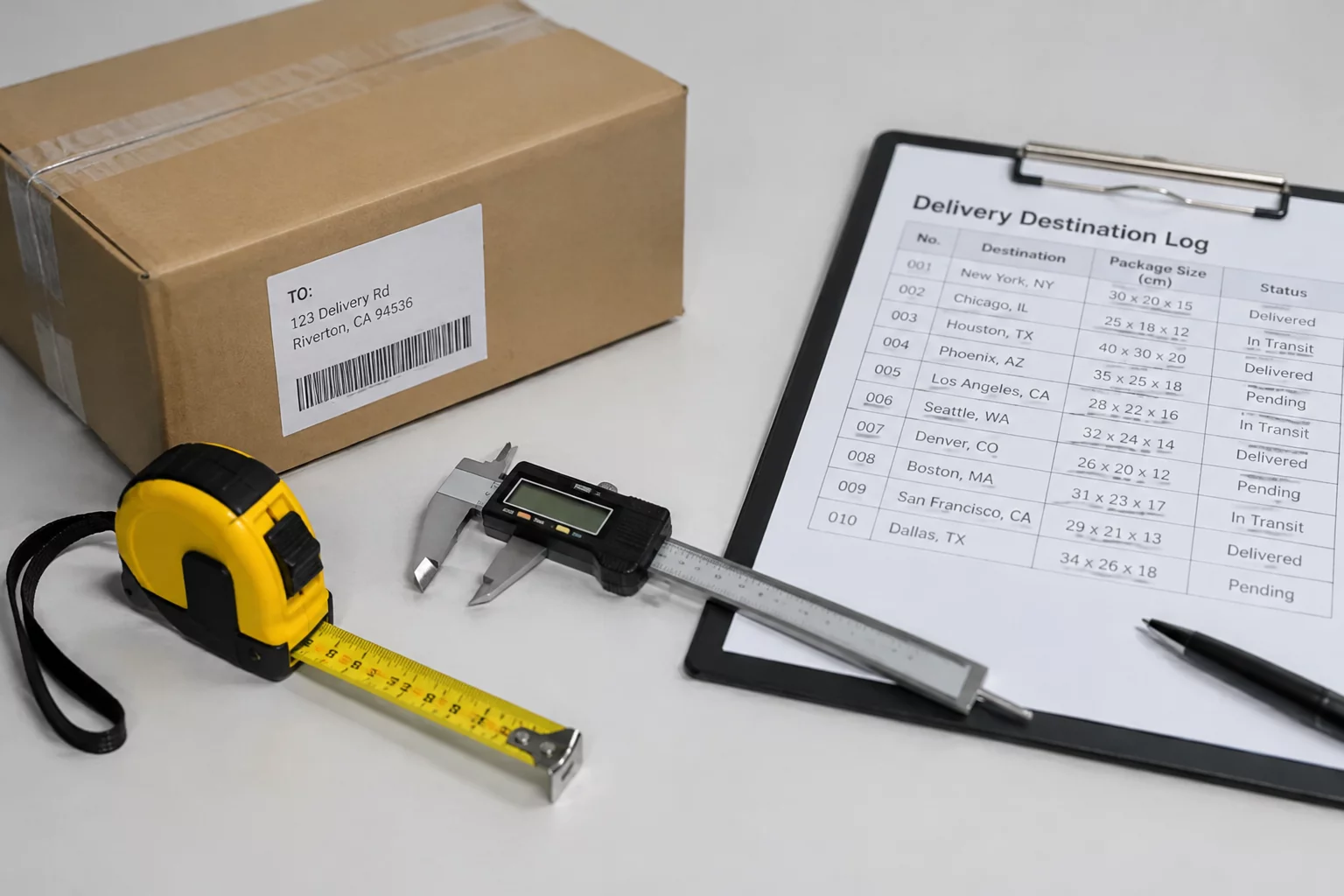 Decision Case #03
Evaluating physical parcels where shipping addresses matched exactly but package specs changed entirely.
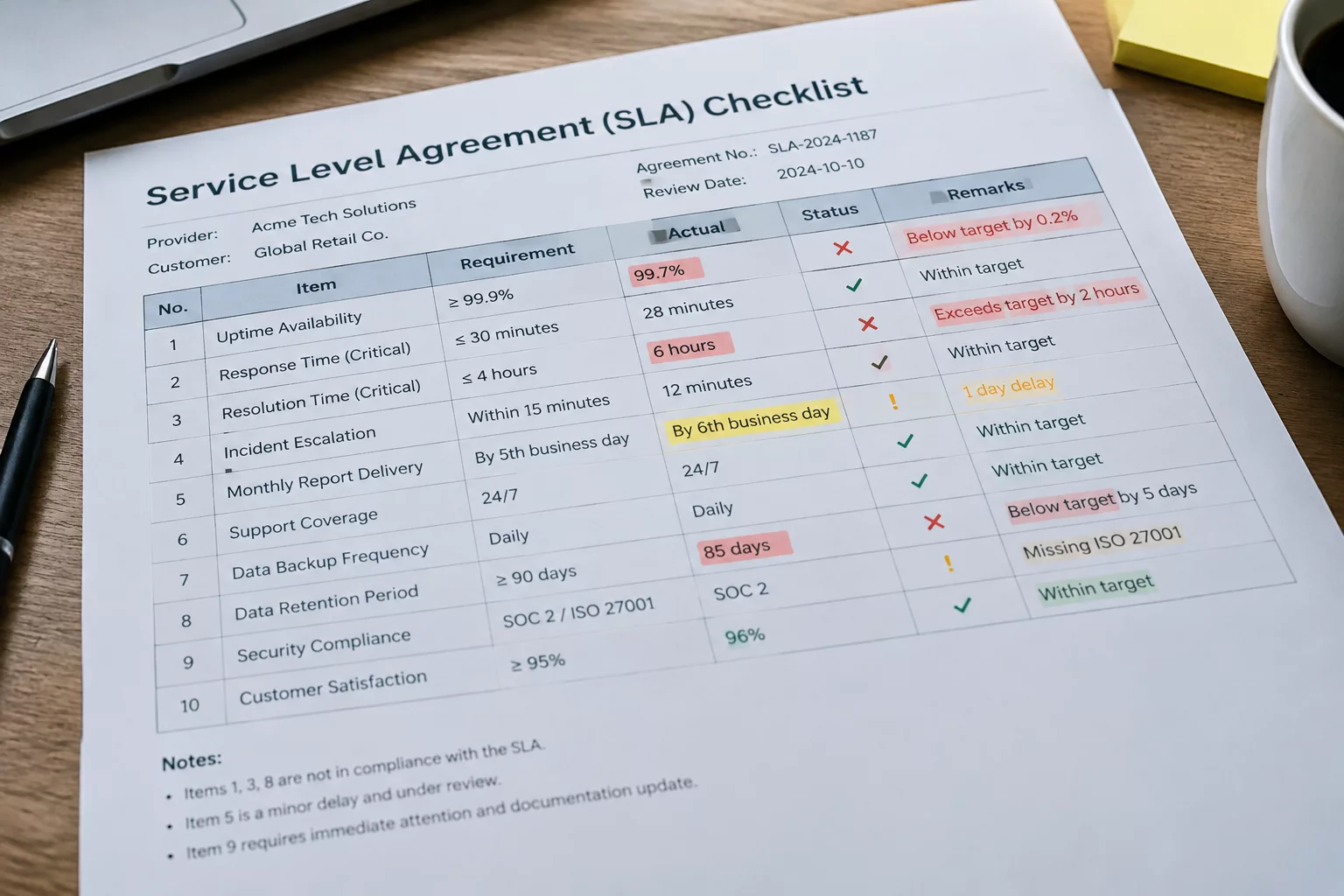 Decision Case #04
How expedited freight commitments were compromised by passive reliance on standard ground defaults.
No recorded case studies matching the selected criteria.
When desk operators treat temporary packaging decisions as permanent customer preferences, unchecked assumptions degrade fulfillment margins and cause avoidable dispatch delays.

Relying on manual corrections without recording why the profile deviated creates recurring bottlenecks during shift handoffs. This case analyzes exact points where automated assumptions failed desk dispatchers.
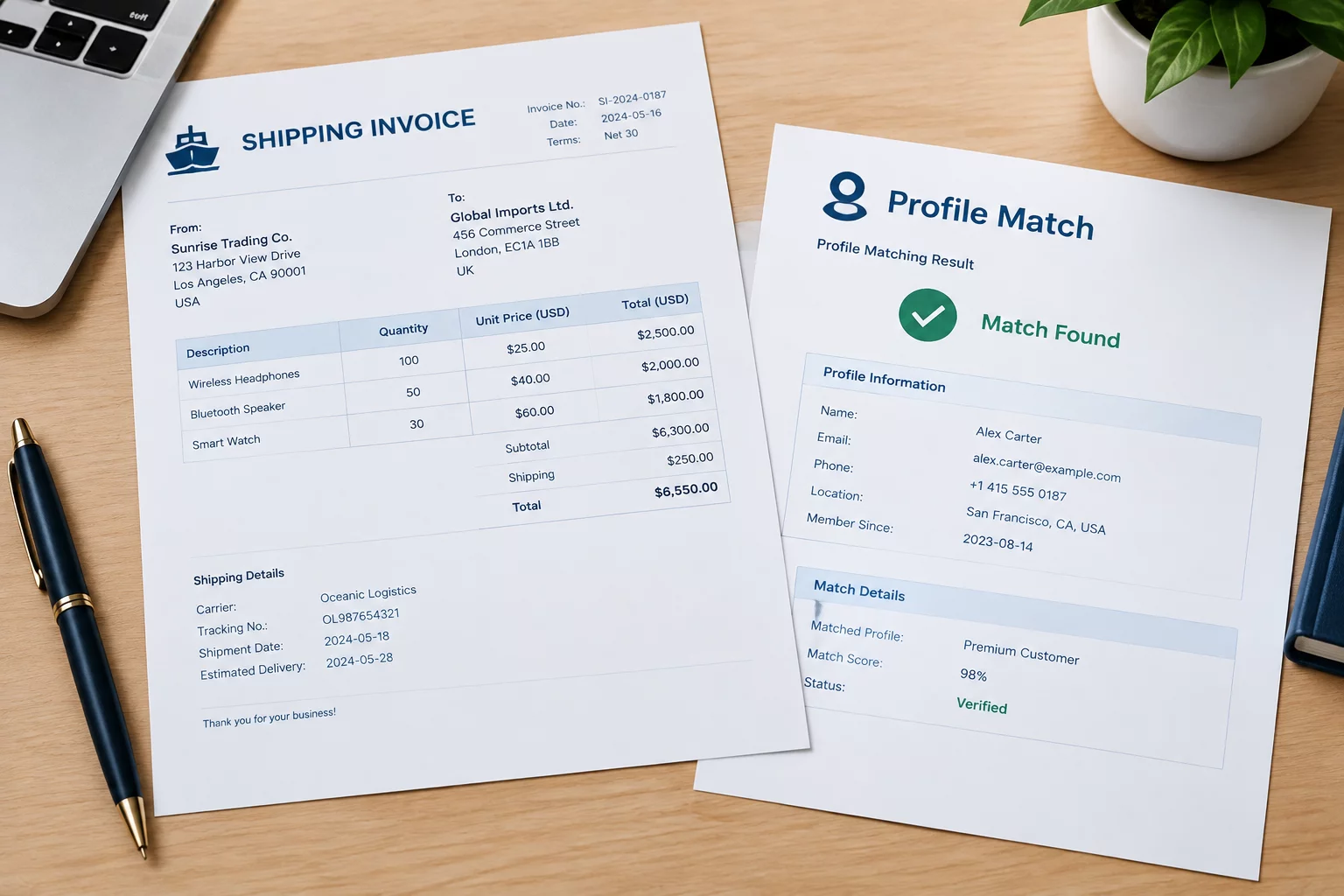
Carrying forward recipient freight charge defaults without verifying current order scopes leads to severe account adjustments. Inspect how third-party billing profiles must isolate recurring variables from hard defaults.
Submit your shipping profile specifications for an independent review by our field analysts. We pinpoint unchecked defaults before they turn into repetitive shipping claims or operational friction.
Exact operational checkpoints, audit intervals, and review cadences deployed as shipping desks transition from unchecked default assumptions to verifiable Profile Decision Cards.
Immediate segregation of recurring address records from assumed packaging specifications.
Systematic logging of divergent dispatches and verification of customer billing contexts.
Establishment of continuous review cadences and institutionalized profile decision discipline.
Documented dispatch logs detailing why assumptions fail and how repeatability scores are established.
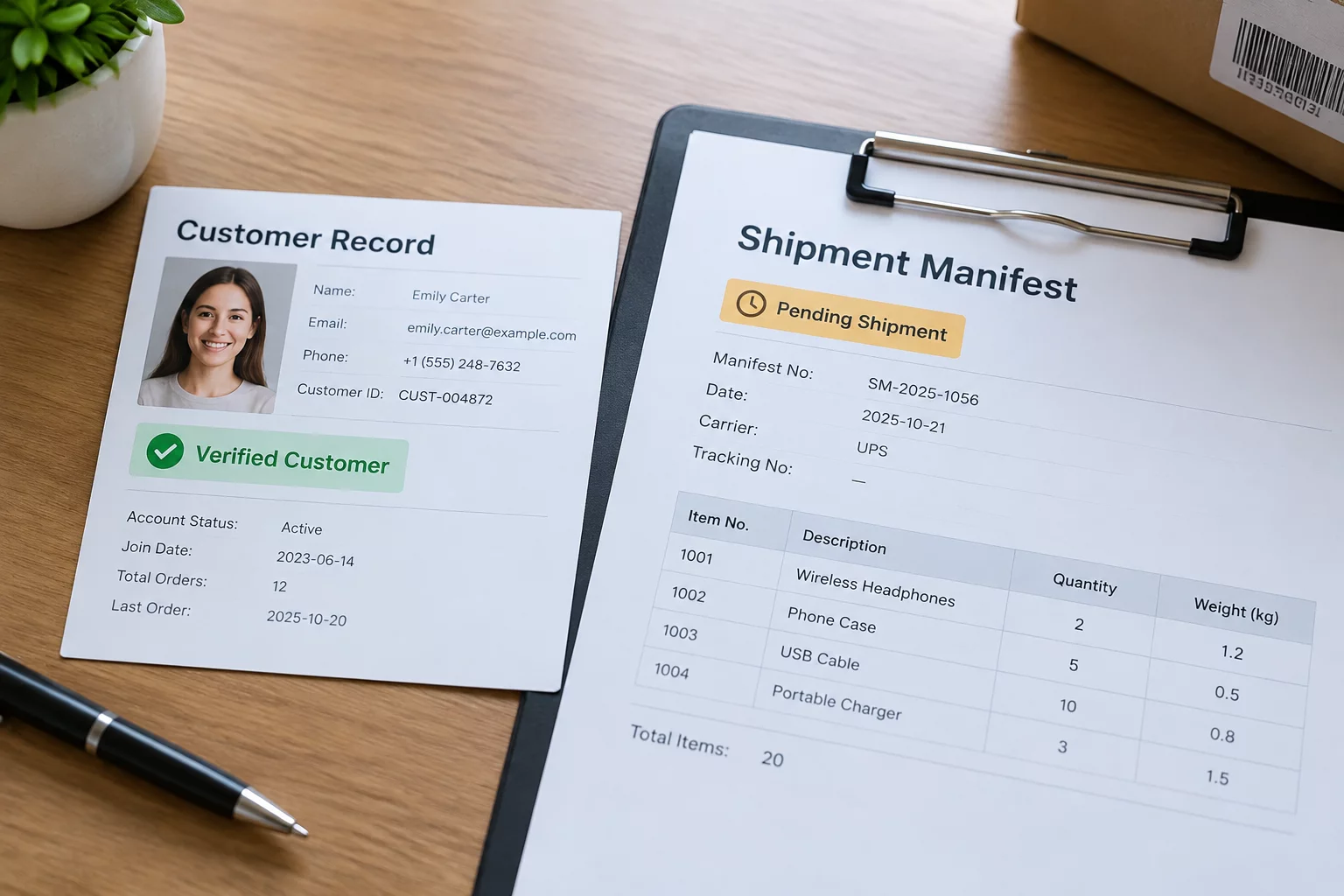
Why accurate customer records do not eliminate shipment-specific variable checks during dispatch.
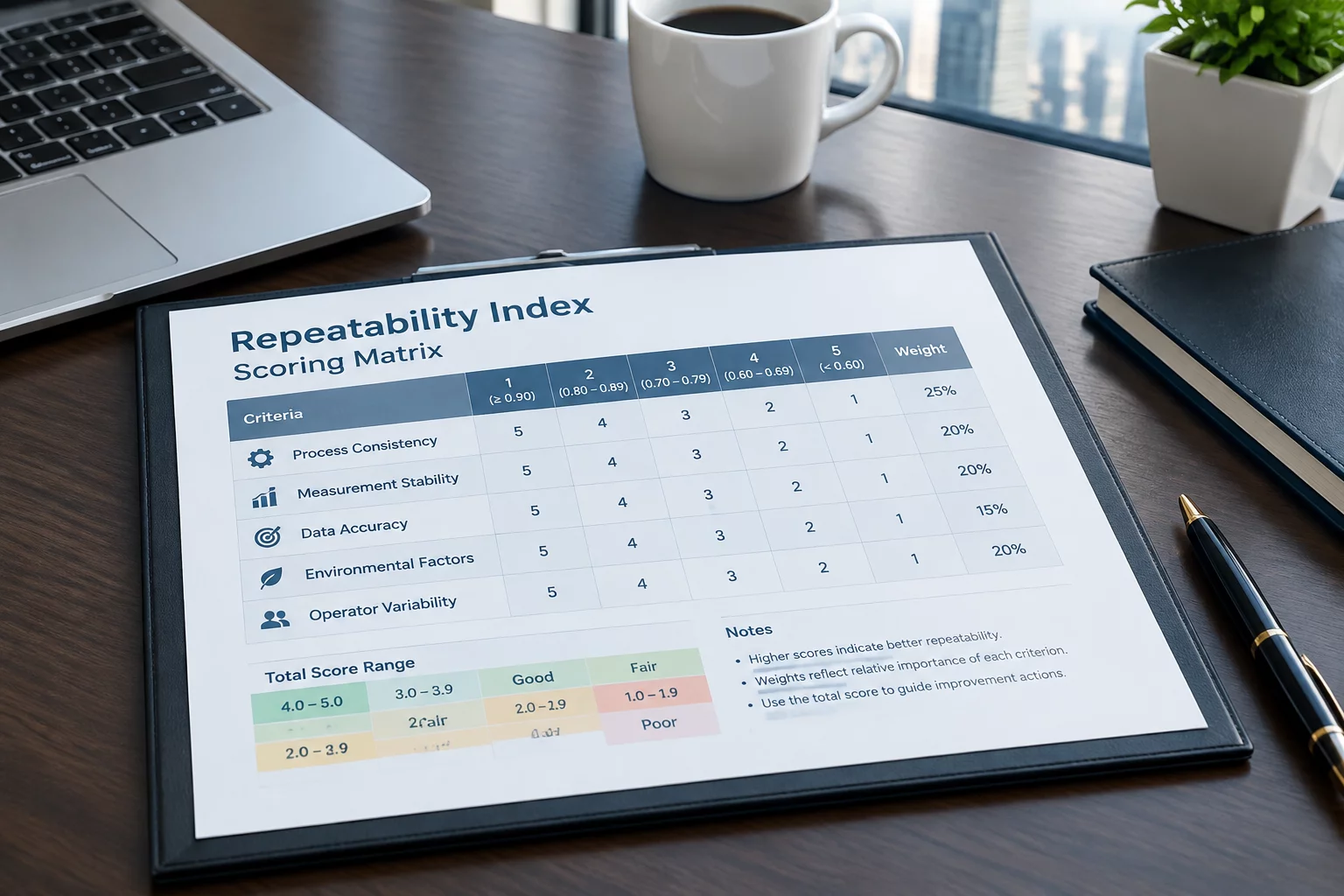
Scoring operational tasks to determine true repeatability versus required line-item review.
Submit your shipping desk configuration details to calibrate timeline checkpoints against your team workflows.
Determine whether your team needs a surgical single consultation, an exhaustive profile baseline audit, or recurring operational retainer advisory to separate valid defaults from risky assumptions.
A 90-minute live operational review focused on a single troublesome shipment context, customer record split, or profile conflict.
Complete forensic inspection of existing shipping defaults, isolating safe recurring rules from unverified customer assumptions.
Dedicated monthly oversight, exception triage desk reviews, and structured protocol updates for growing logistics teams.
Not certain whether your shipping desk requires a full profile inventory or a surgical targeted review? Submit your current desk volume and we will recommend the fitting engagement structure.