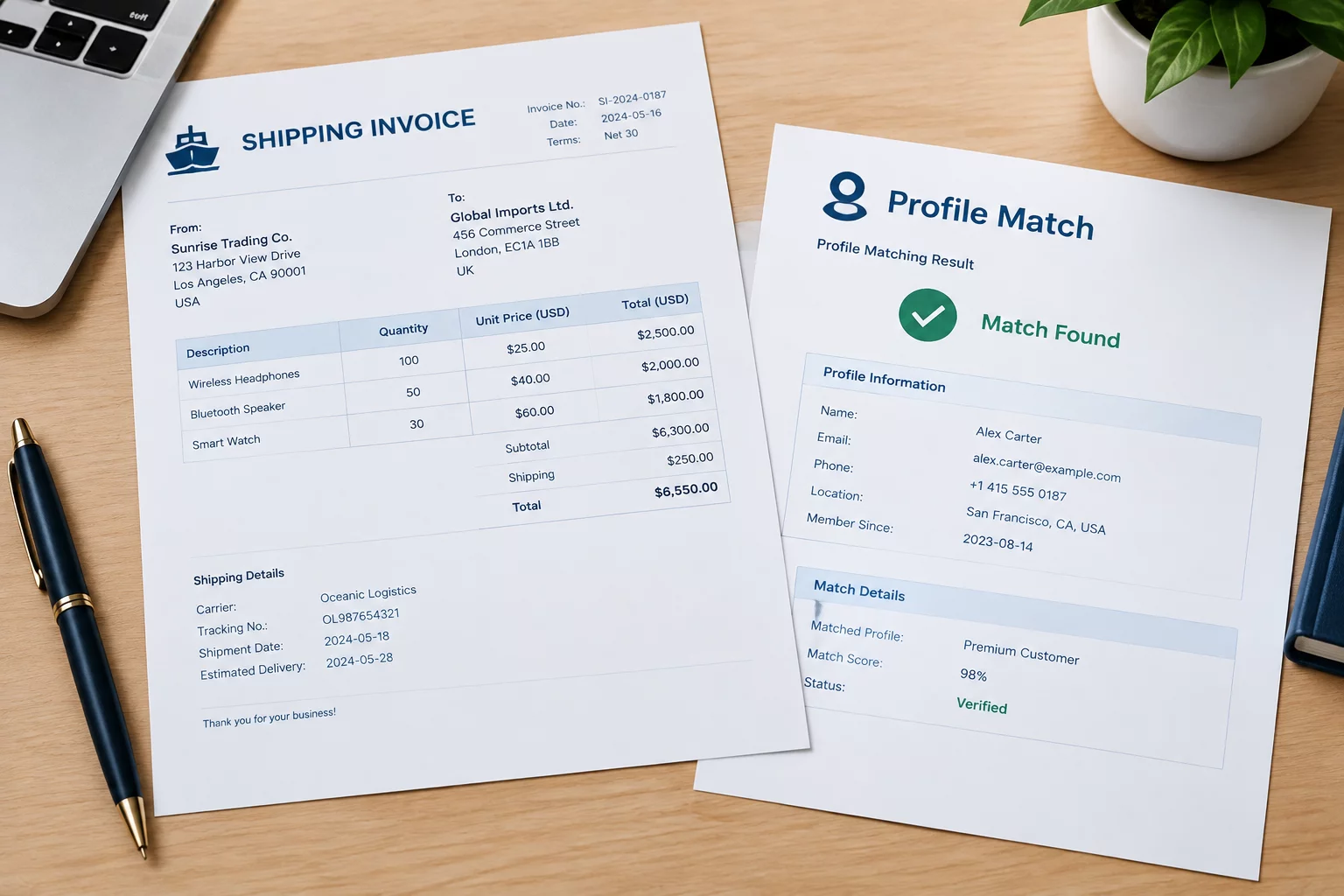
Parameters Overview
Why Recurrent Consignees Cannot Dictate Static Payer Accounts
Repeat dispatches frequently lead shipping operators into the hazardous habit of assuming payment arrangements remain identical across recurring delivery points. Even when physical addresses, package dimensions, and receiving bay schedules match previous orders down to the millimeter, underlying freight billing terms routinely change depending on purchase order contracts, promotional freight allowances, or client billing requests.
Conflating consignee identity with static payer information introduces chronic accounting friction. A routine customer who normally receives shipments prepaid may submit an order tied to a corporate project where transportation costs must route directly to a third-party logistics account. When an automated dispatch tool copies the historical billing context unchecked, your organization absorbs non-recoverable carrier expenses or triggers tedious invoice dispute cycles with the carrier.
Operational Verification Gates for Dynamic Freight Billing
Desk personnel must separate physical recipient records from billing context by enforcing strict procedural safeguards before printing airway bills or closing out freight manifests. Automated software profiles like UPS WorldShip should prompt operators for billing confirmation whenever repeat dispatch runs occur:
- Validate the explicit transportation payer indicated on the current sales manifest against the software payer dropdown, rejecting auto-filled assumptions.
- Inspect third-party carrier account numbers against customer profile records to ensure the specified account matches the designated receiving entity.
- Confirm customs duty and tax payer selections on international consignments, ensuring duties are not defaulted to the shipper when the agreement mandates receiver payment.
When these verification points function as non-negotiable operational checkpoints rather than optional reviews, shipping desks experience a measurable decline in carrier rebilling adjustments and billing discrepancy hold-backs.
Managing Protocol Discrepancies and Escalation Procedures
Whenever order paperwork indicates ambiguous billing instructions or conflicts with customer ledger notes, operators must pause order processing instead of guessing previous configurations. Immediate escalation to the account manager or logistics coordinator protects both vendor and customer relationships while maintaining flawless ledger integrity.
Summary of Desk Rules for Billing Integrity
Key takeaways every logistics operator must execute prior to tendering recurring freight to parcel carriers:
- Never let consignee address defaults automatically dictate transportation payer terms in your dispatch software.
- Treat third-party freight billing accounts as transaction-specific variables requiring current purchase order documentation.
- Halt dispatch immediately and request order review whenever paperwork fails to explicitly state transportation payment liability.
Questions on Billing Context Governance?
Reach out to our field logistics desk to clarify complex carrier billing structures and profile exceptions.