
Standard Rule 02
Customer Defaults and Repeatable Preferences
Defining authorized recipient specifications, recurring delivery windows, and standard carton types without risking address discrepancies.
Systematic protocols for distinguishing steady-state carrier parameters from variable shipment conditions, reducing dispatch errors and billing disputes.

Systematic evaluation of baseline profile configurations that eliminate manual re-keying while defining hard boundary limits where standard processing must trigger manual review.
Defining authorized recipient specifications, recurring delivery windows, and standard carton types without risking address discrepancies.

Pinpointing dynamic consignment data such as actual dead weight, declared customs value, and seasonal surcharge brackets.
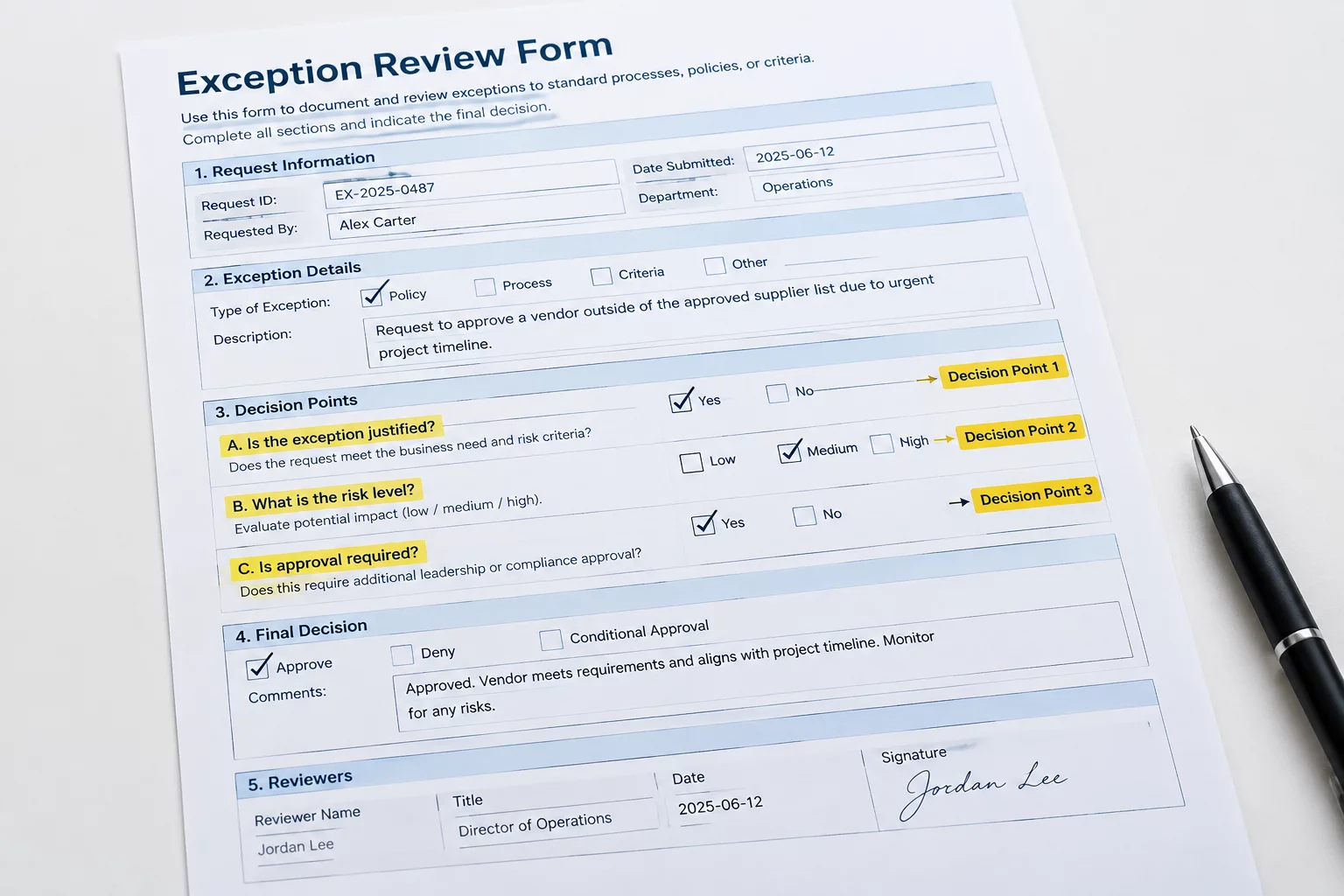
Mandatory divergence rules triggered when commercial accounts alter dispatch terminals, commodity codes, or hazard ratings.

Standardized auditing guidelines for documenting parameter revisions and ensuring full traceability of profile reconfigurations.

Differentiating between verified batch repetition cycles and incidental parcel similarities that require separate routing assessment.
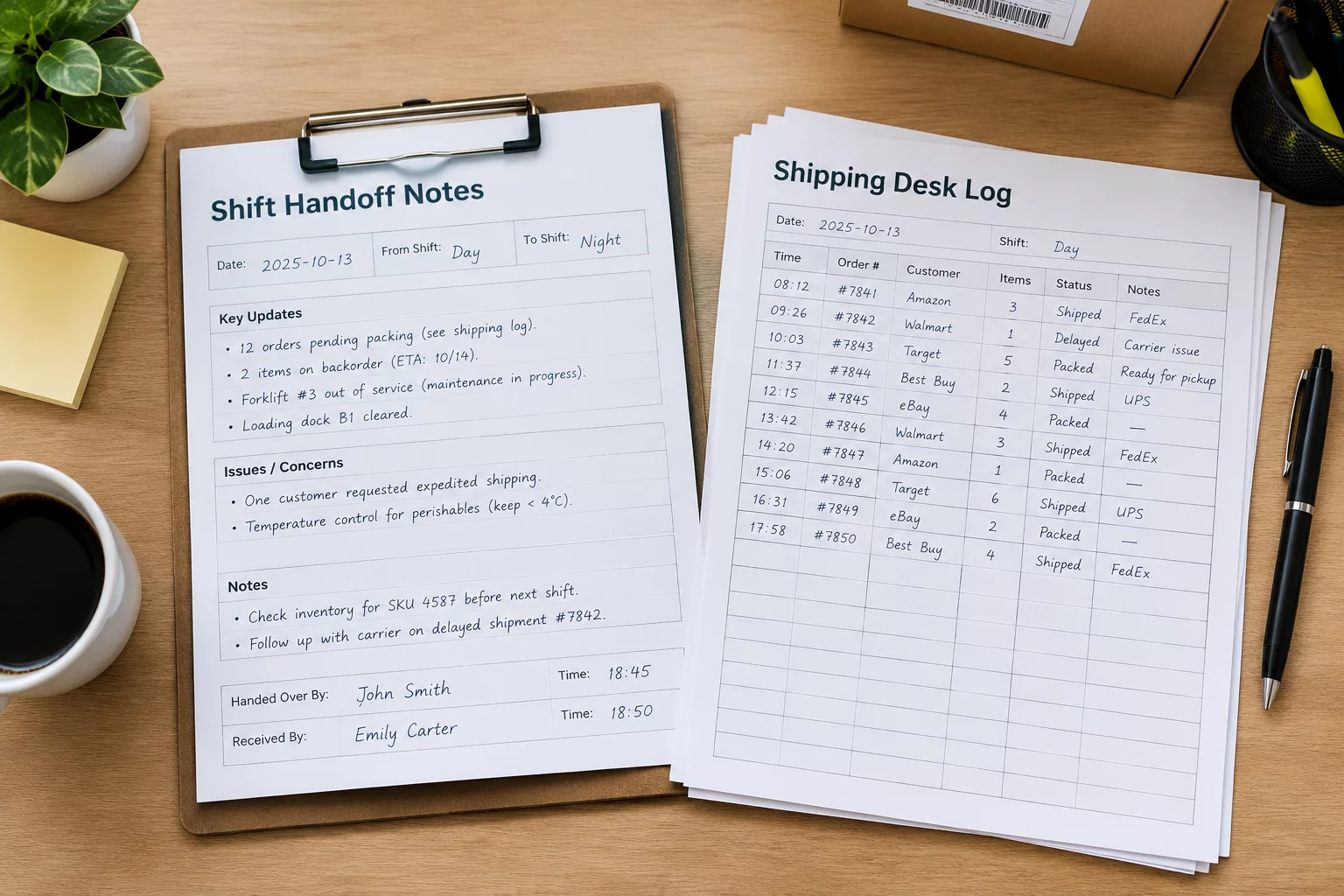
Best practices for workstation shift handovers, documenting temporary routing locks, and preventing duplicate manifests.
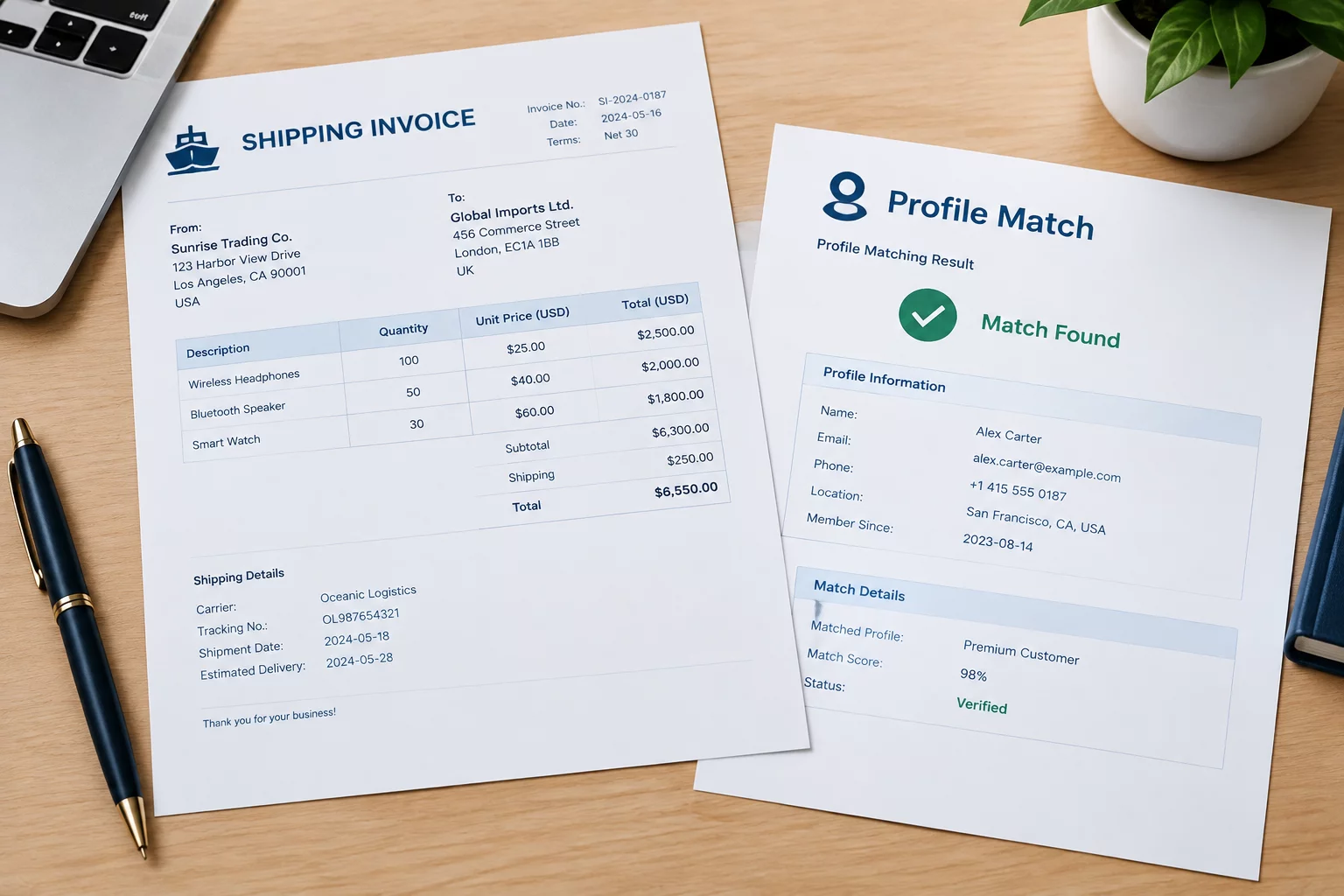
Ensuring third-party billing numbers, duty tax payment designations, and freight allocation codes synchronize with default profiles.
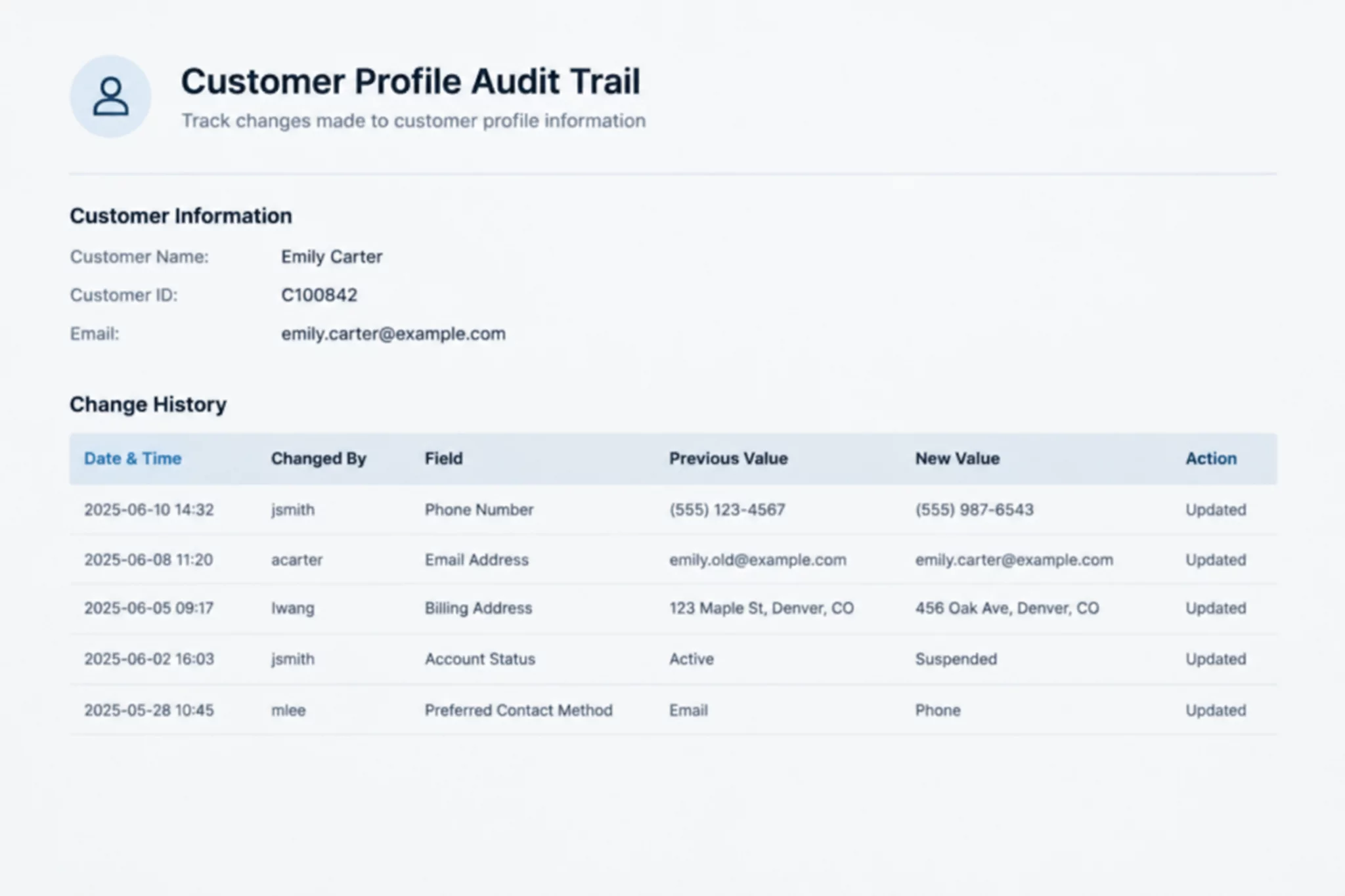
Safeguarding carrier interface settings across system upgrades, database migrations, and operational turnover periods.
Select a standard rule protocol above to auto-populate the tariff field, or manually confirm your account parameters below for immediate validation.