Parameters Overview
Operational Friction Behind Default Assumptions
Preconfigured shipping profiles rely on complete continuity across recurring commercial dispatches. When an established partner modifies packaging formats, requires special cargo clearances, or splits delivery between warehouse bays and temporary job trailers, default system profiles immediately break down. Operators who print shipping documentation without auditing order lines unknowingly apply incompatible service tiers and omit necessary delivery accessorials.
Profile failure originates from confusing customer master records with consignment requirements. While the account number remains stable over years, individual dispatches fluctuate constantly in declared cargo value, accessorial requirements, and specific delivery windows. Recognizing where routine customer data ends and dynamic order variables begin keeps distribution centers free from recurring carrier billing disputes.
Primary Failure Indicators on the Packing Floor
Before releasing dispatches against familiar buyer profiles, screen order parameters against these four critical variance triggers:
- Weight and volume alterations exceeding fifteen percent of standard SKU packaging baselines, indicating multi-carton bundles or nested shipments.
- Third-party carrier account entries or purchase order instructions that contradict standard prepaid customer agreements.
- Destination address modifications shifting deliveries from commercial loading docks to temporary convention venues or residential properties requiring liftgates.
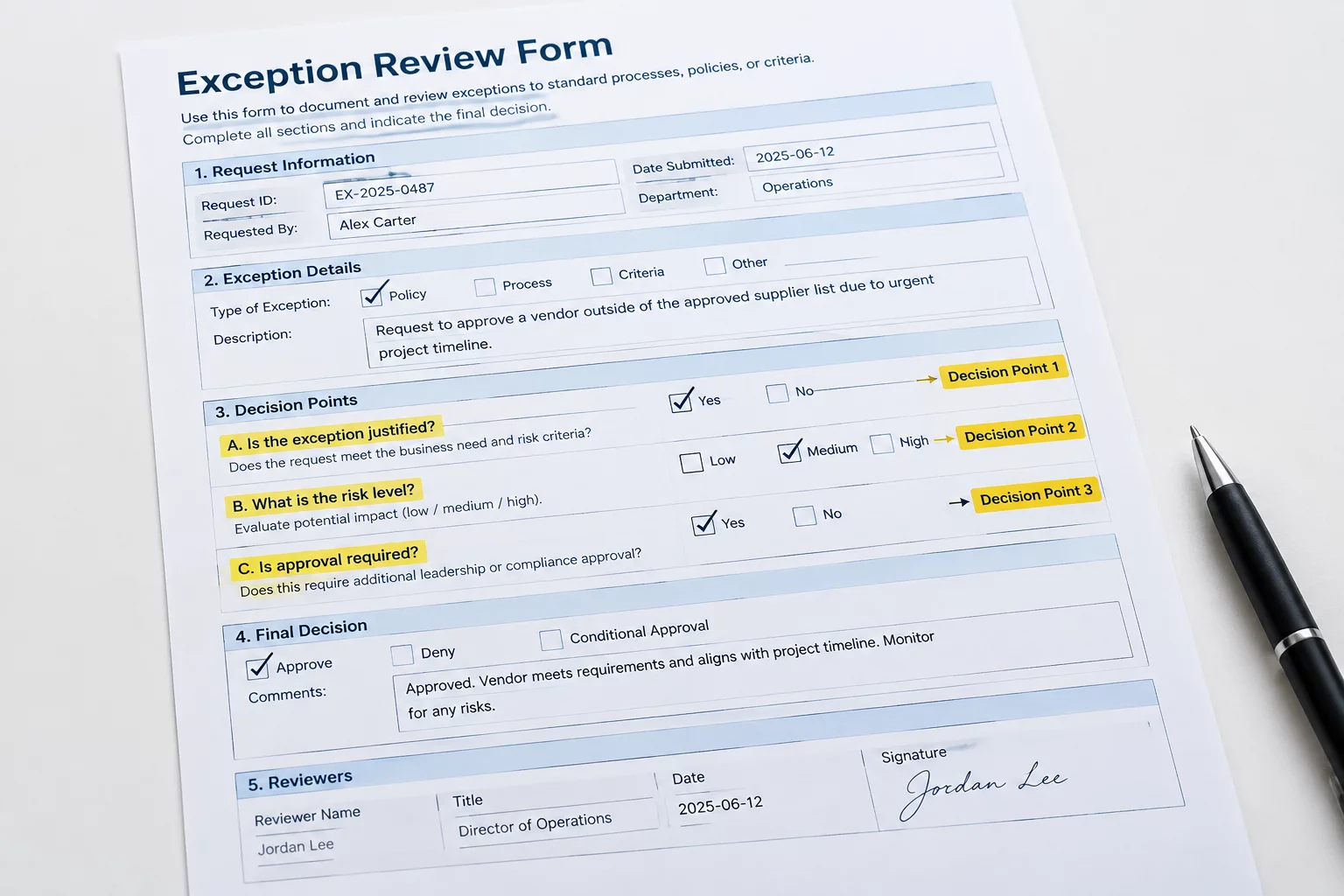
When any trigger fires during pre-flight review, pause batch processing immediately. The operator isolates the manifest line, reviews packing slip instructions, and selects manual override rather than modifying master customer records directly.
Managing Desk Overrides Without Corrupting Master Profiles
A temporary dispatch exception must never alter the master client profile stored inside your shipping system. Overwriting the template introduces persistent errors into future routine shipments. Instead, apply manual overrides strictly at the individual order level, and log the decision in the shift register with the order ID, operator name, and override rationale.
Key Takeaways for Logistics Desks
Maintain operational manifest stability during non-routine dispatches by following these field checkpoints:
- Separate persistent customer account details from fluctuating package attributes such as weight, dimensions, and destination accessorials.
- Apply manual overrides strictly to the single transaction rather than saving ad-hoc settings into default client templates.
- Document every override reason in the desk logbook to protect next-shift personnel during carrier auditing or tracing procedures.
Uncertain About a Profile Variance?
Submit conflicting routing notes, accessorial exceptions, or unusual carrier requests to our field compliance desk for review.