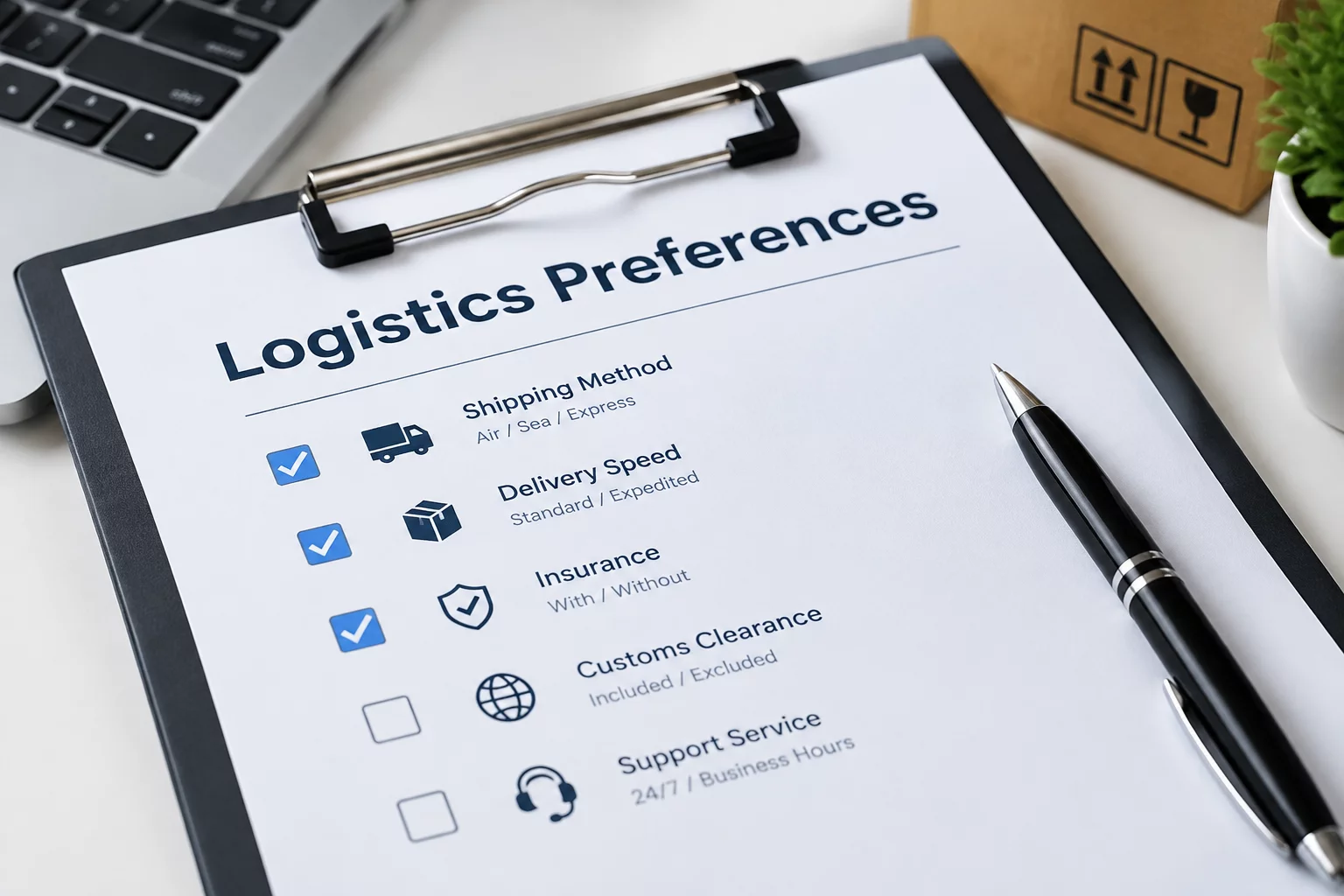
Parameters Overview
Establishing Safe Default Parameters on the Logistics Desk
Customer profiles streamline dispatch workflows by standardizing recurring instructions, yet treating all fields as repeatable defaults invites costly misroutes. A dependable baseline anchors only static parameters such as approved receiver accounts, tax identification numbers, and recurring delivery gate hours, while isolating volatile shipment variables.
Logistics operators frequently encounter repeat orders where packaging dimensions, special handling accessories, or customs descriptions diverge from earlier shipments. Automating these dynamic values based on customer history creates blind spots that bypass physical desk validation.
Separating Repeatable Account Profiles from Per-Package Variables
Maintaining profile stability requires a strict boundary between what belongs to the client entity and what belongs exclusively to the physical box:
- Static Entity Data: Validated delivery docks, standard carrier account numbers, and verified receiving contact desks remain constant across routine dispatches.
- Dynamic Unit Attributes: Gross weights, package dimensions, declaring values, and declared hazardous classifications change with every order and must never auto-populate without confirmation.
- Conditional Service Overrides: Delivery time commitments, Saturday delivery options, and signature requirements require explicit purchase order triggers rather than persistent profile switches.
When an operator assumes that a recurring client always requests identical transit speeds, urgent orders run the risk of downgrading to ground transit, or lightweight parcels inherit oversized default dims from previous palletized orders.
Operational Protocols for Reviewing Customer Divergence
Before confirming the final shipping label generation, dispatchers must cross-check the current manifest against the recorded profile defaults. If a line item introduces unexpected piece counts or an unusual third-party billing account, the operator must pause automated processing and log a manual confirmation entry. Documenting each divergence preserves profile accuracy while preventing erroneous freight charges and return-to-sender fees.
Key Desk Rules for Customer Defaults
Apply these operational principles before locking repeat preferences into shipping software:
- Restrict automated profiles to verified recipient accounts, operational contact desks, and static billing structures.
- Force manual validation on package weights, dimensions, declared values, and special handling accessories for every transaction.
- Log all deviations directly in the shift handover notes to keep profile records aligned with real dispatch requirements.
Encountering Profile Divergence?
Consult the field documentation registry or submit operational notes to review complex client preference exceptions.