Parameters Overview
Core Drivers Behind Altering Shipping Defaults
Shipping profiles save operational hours by prefilling repeatable box dimensions, carrier services, accessorial options, and billing instructions. However, treating a profile default as an immutable law creates subtle dispatch errors when commercial reality shifts on the packing floor.
When a customer alters container configurations, expands SKU lines, or transitions freight billing terms, the dispatch desk must actively update the profile baseline. Leaving obsolete defaults active forces operators to manually overwrite values on every single parcel, multiplying human keying errors and causing carrier surcharge penalties.
Practical Workflow for Executing Baseline Adjustments
Altering an established default demands a structured verification process so shift colleagues understand the operational origin of new field values:
- Validate the pattern frequency across a minimum of five consecutive dispatches before converting individual package overrides into a permanent profile update.
- Confirm customer contract adjustments regarding payer accounts, third-party bill codes, or dimensional carton weight classifications directly with account managers.
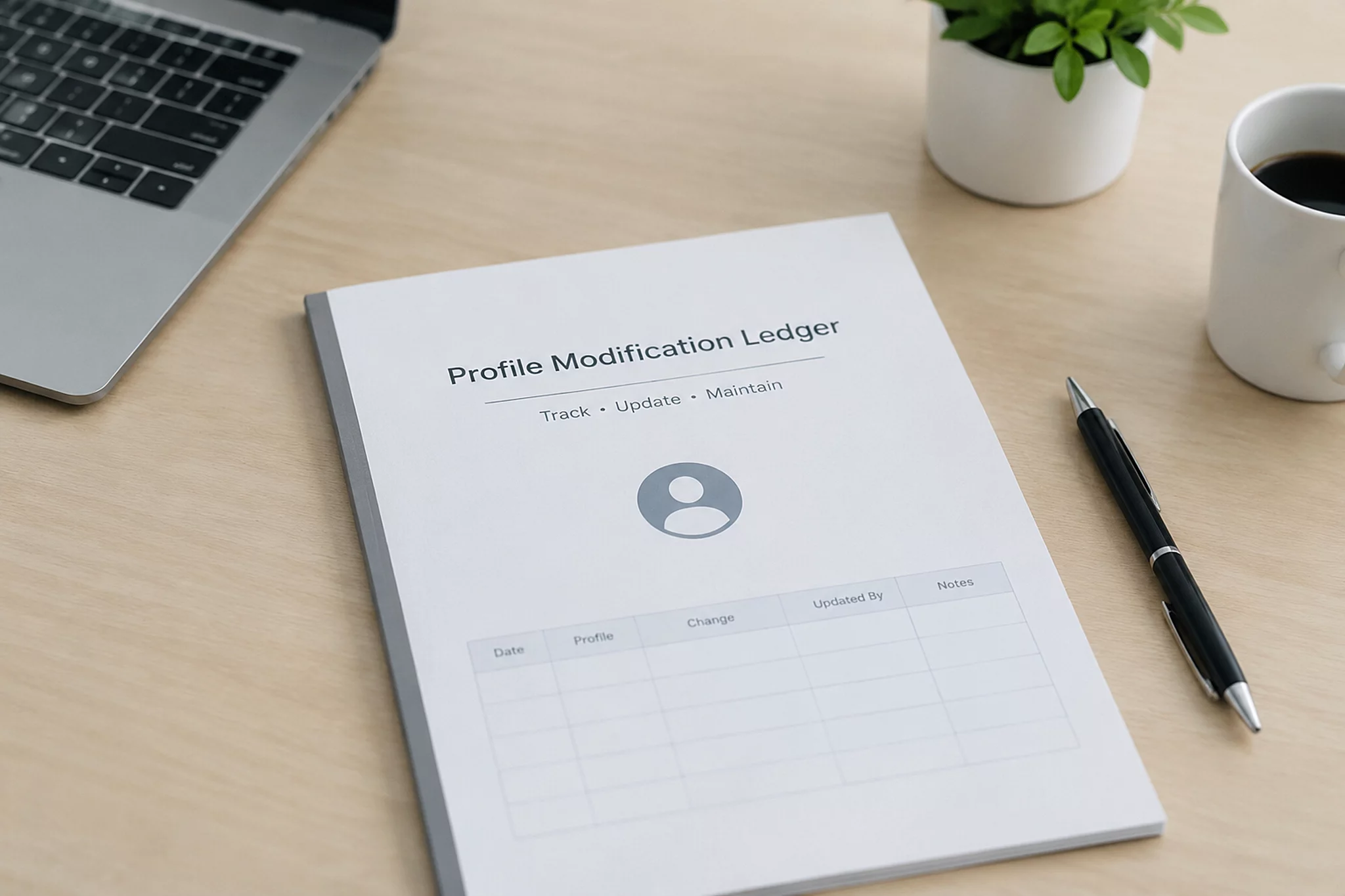
- Update the default field inside the profile maintenance interface, documenting the change reason in the profile audit logbook with operator initials.
Neglecting to document why defaults changed causes immediate operational friction during shift handoffs. When an incoming operator encounters an unfamiliar box preset or altered service tier without context, they may mistakenly revert the profile to legacy values, reintroducing the original discrepancy.
Audit Checks and Mitigating Profile Creep
Regular spot-checks against manifest archives safeguard logistics desks against unauthorized profile drift. By reviewing modified profiles during bi-weekly audits, managers ensure that temporary operational expedients are either formalized with documented SOPs or retired once special customer project cycles conclude.
Operational Takeaways for Logistics Desks
Maintain consistency across workstation terminals by enforcing strict modification protocols whenever changing persistent default values:
- Differentiate isolated shipment exceptions from systemic changes; never modify universal defaults to solve a single parcel anomaly.
- Record explicit change reasons with revision timestamps in profile comment fields for peer visibility.
- Audit modified profile billing rules immediately following contract rate updates or accessorial charge revisions.
Have Profile Discrepancies on Your Desk?
Submit documented exception logs or profile evolution questions to our field research team for editorial review.