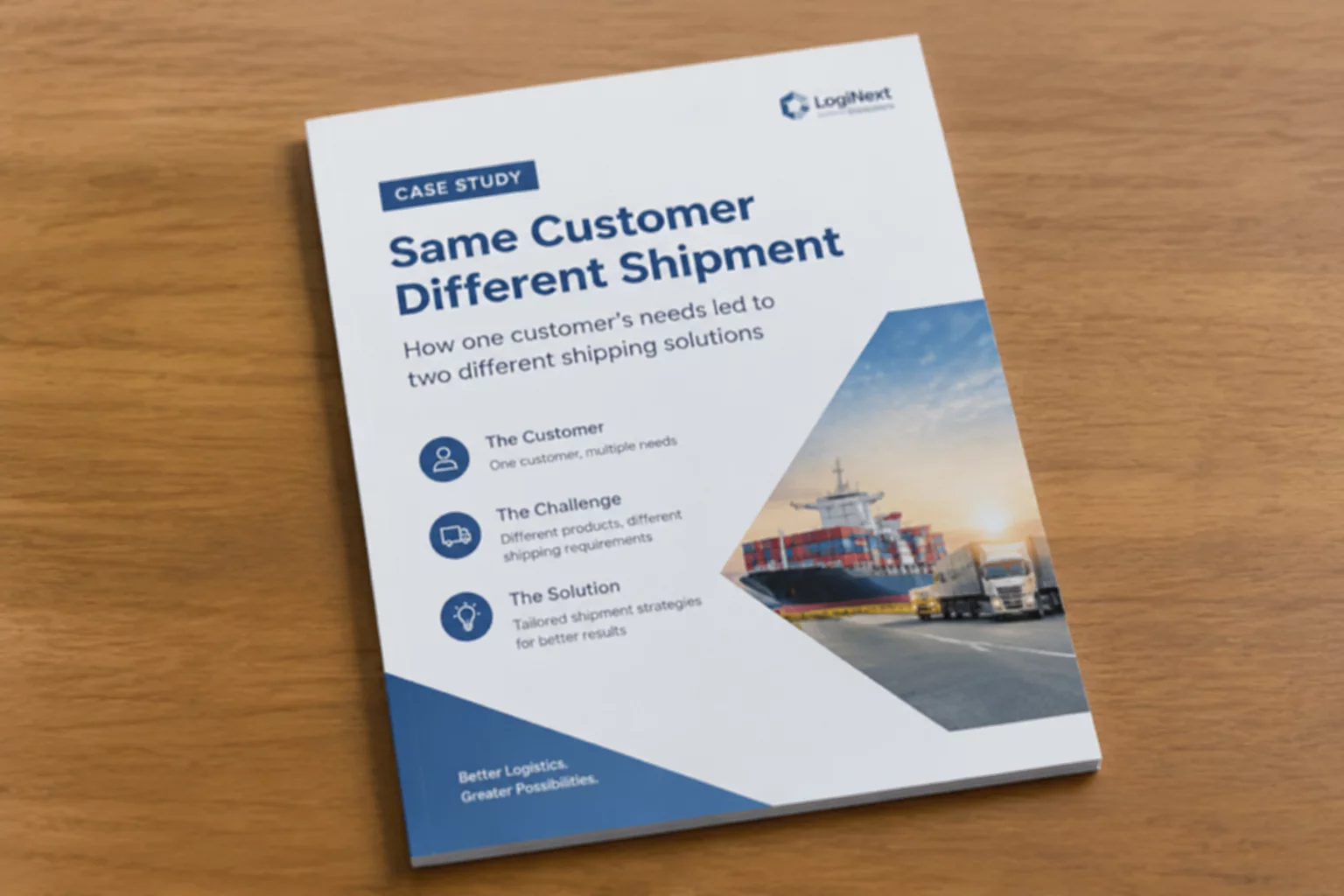
In logistics processing desks, recurring client profiles represent both the primary engine of operational speed and the greatest source of systemic complacency. When the dispatch desk received an order from an account known for small-parcel test kits, the dispatch software pre-filled standard ground parcel parameters automatically. However, the physical cargo staged on the pallet was a heavy crated optical calibration station requiring liftgate delivery and tailored insurance declarations.
Shipping desks rely extensively on customer profiles to minimize manual keystrokes and accelerate manifest generation. In this featured case, Apex Precision Instruments submitted an order under their primary account code, which had remained assigned to standard 1.8-kilogram cardboard cartons for over thirty-six consecutive months. When the warehouse management system ingested the sales line item, the interface matched the customer ID and immediately pre-populated packaging dimensions, carrier accessorials, and billing terms from historical defaults without triggering a parameter review warning.
How Automated Defaults Masquerade as Manifest Accuracy
The shipment consisted of a delicate industrial unit measuring 110 x 85 x 92 centimeters and weighing 34.2 kilograms. Despite these physical measurements clearly appearing on the packing slip, the automated workstation software silently retained the 30 x 20 x 15 centimeter default box profile linked to the client's account profile. Had the manifest completed processing under that template, the parcel would have entered the carrier sortation hub with a severe dimensional weight error, triggering significant back-office penalty fees, unauthorized re-weigh surcharges, and inevitable cargo damage on an automated belt conveyor designed exclusively for lightweight cartons.
“Default profiles speed up routine processing, but assuming customer consistency across dissimilar freight types is the fastest path to costly carrier penalties and customs holds.”
— Arthur Vance, Lead Dispatch Auditor
Enforcing Mandatory Verification Gates on Repeat Customer Orders
The discrepancy was caught during final scale verification when the operator noticed the printed routing barcode specified standard conveyor transit while the pallet required dedicated pallet-jack staging. The operator executed an immediate workflow pause, detached the pre-loaded customer template, and created an isolated one-time consignment record. By distinguishing account identification from freight characteristics, the desk prevented carrier reclassification and ensured the inclusion of appropriate shock-watch sensors and white-glove liftgate accessorials.
Case Comparison Matrix
- Assumed Customer ProfileSmall Parcel Ground (1.8 kg, Standard Carton)
- Actual Consignment ParametersCrated Precision Station (34.2 kg, Palletized)
- Service Tier DisparityConveyor Ground vs. Freight Liftgate White Glove
- Correction Latency14 Minutes (Intercepted Prior to EDI Manifest Upload)
The incident highlighted the fundamental principle of logistics profile governance: a customer profile must define recipient addresses, tax IDs, and billing preferences, but physical package specs must always remain dynamic. Treating package weight, outer container dimensions, and transit protection levels as locked account defaults inevitably causes dispatch failure whenever an established business partner introduces an irregular product line or temporary warranty return.
Same Customer, Same Destination — Different Shipment
Stripped to its constants, the case reduces to a short list of what stayed identical and what diverged. The regular customer receives shipments built from the same set of recurring preferences — this time the divergence looked like this:
- CustomerSame Customer
- DestinationSame Destination
- Package ContextDifferent Package Context
- Requested Service ContextDifferent Requested Service Context
- Exception ScopeOne Temporary Exception
The Five Review Questions
- What can remain the same?
Recipient address, billing terms, reference fields, and the account's default profile linkage — none of the customer context changed. - What changed for this shipment?
Package dimensions, weight, service context, and handling requirements — the physical consignment diverged from every historical default. - Should the saved profile change?
No. The divergence was a one-off; rewriting the customer profile would corrupt thirty-six months of valid defaults for future routine orders. - Is this exception temporary?
Yes — a single temporary exception, logged as such and resolved inside the Shipping window without touching the baseline profile. - What should the next operator know?
That an override was applied, why it was applied, and that the account defaults remain valid — so the next repeat shipment is not re-reviewed unnecessarily.
Note the boundary: this fieldbook isolates the review decision — it does not issue automatic recommendations such as "use this carrier service." The operator stays responsible for the final selection on every dispatch.
Get Field Case Post-Mortems and Audit Checklists
Join logistics desk operators and shipping managers receiving independent field reviews on profile isolation, billing assumptions, and dispatch verification.