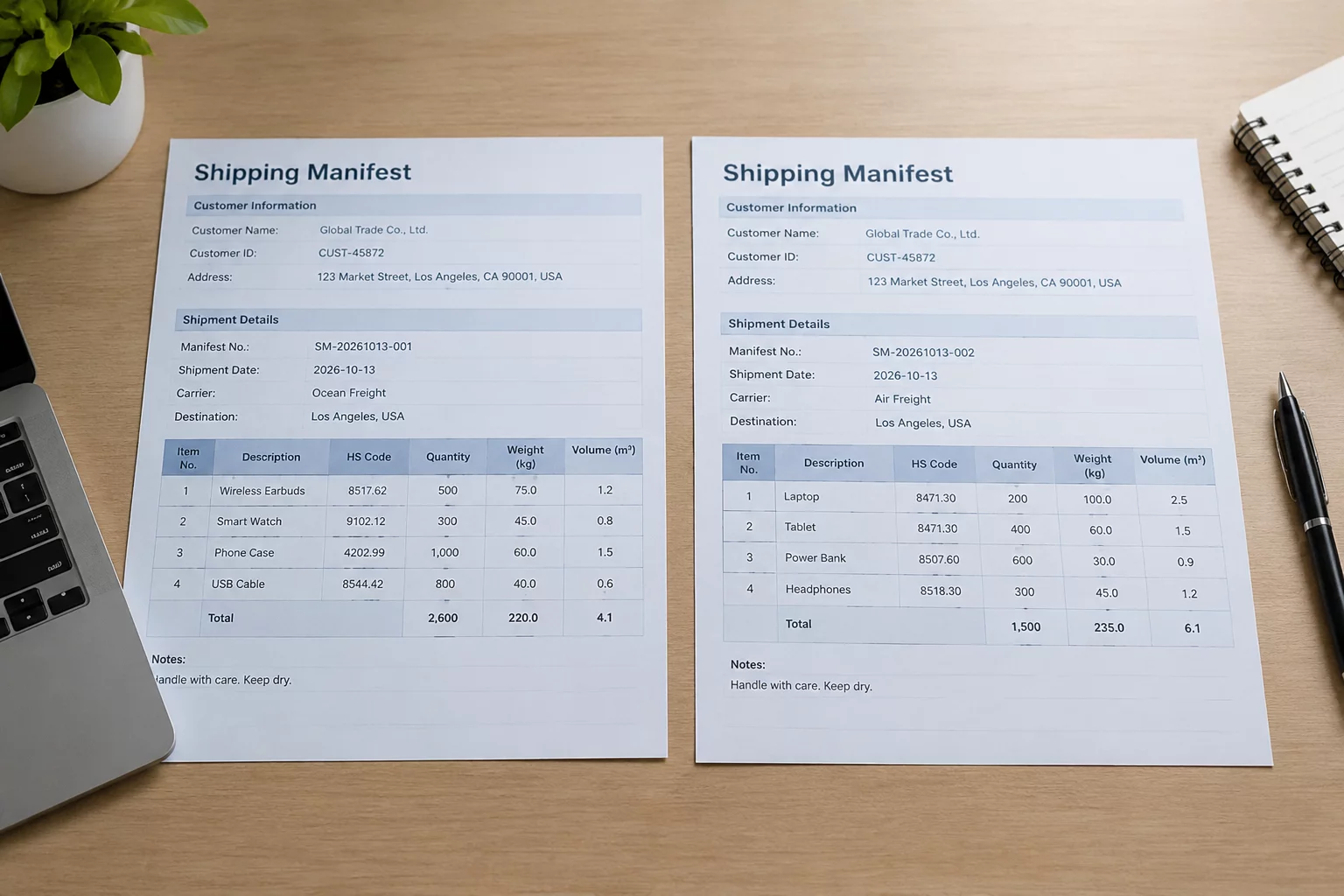
Dispatch desks frequently assume that a recognized client profile validates every downstream manifest parameter. In active distribution environments, an identical account code often hides contrasting pallet footprints, alternative unloading bays, and custom billing splits. When shipping operators treat the customer record as a universal preset, critical shipment variables slip past intake review.
Registry Factsheet: Entity vs Load Context
- Primary Risk Vector
- Unchecked auto-population of accessorials and package dimensions
- Detection Trigger
- Weight deviation exceeding 15% or sudden delivery facility alteration
- Operational Impact
- Carrier re-weigh penalties, failed residential drops, and billing disputes
- Enforced Protocol
- Mandatory decoupling of static customer ID from physical dispatch attributes
The Illusion of Repeatability Across Recurring Accounts
Operational teams depend on software defaults to compress handling times and eliminate repetitive keyboard entries. A familiar account number suggests predictable box dimensions, familiar destination docks, and established carrier service levels. Yet clients alter packaging styles, fulfill secondary production lines, and redirect consignments to temporary assembly plants without notifying their logistics partners.
When a shipping clerk selects a cached profile, the software immediately fills billing codes and carton specifications from earlier dispatches. This automation creates an undetected conflict between physical package reality and digital shipping documentation. If the current consignment contains dense hardware instead of lightweight standard cartons, the auto-populated weight tier invalidates bill-of-lading calculations before the freight even leaves the facility.
Profile Cases and Repeat Default Scenarios
Examine our reference baseline for separating profile parameters from variable consignment requirements.
Isolating Divergent Cargo Variables at Intake
Maintaining dispatch accuracy requires dividing intake information into permanent legal data and dynamic cargo variables. Permanent account records preserve tax numbers, master billing contacts, and general credit parameters. In contrast, physical parcel measurements, accessorial requirements, and specific consignee addresses remain variable conditions that demand independent inspection on every dispatch cycle.
A verified client relationship confirms company identity and commercial terms, but it never guarantees that today's freight conforms to yesterday's package profile.
When repeat customer orders enter the queue, operational desks must run a systematic validation protocol prior to creating shipping labels:
- Compare actual physical scale readings against default historical packaging weight margins.
- Confirm the specific unloading destination code against the client's secondary delivery branch index.
- Review accessorial requirement flags including liftgate necessity, inside delivery, and appointment windows.
Desk Remediation and Sub-Profile Architectures
Whenever an operator detects divergent shipment context, overriding the master customer record directly inside the management system represents an operational hazard. Overwriting master defaults to accommodate an isolated unusual consignment corrupts the baseline setup for subsequent standard dispatches.
Logistics supervisors should establish discrete sub-profiles or activate mandatory prompt dialogues whenever consignment measurements exceed established tolerance bands. Isolating customer identity from physical consignment attributes protects profile consistency and eliminates carrier accessorial audits, transit holds, and costly invoice adjustments.