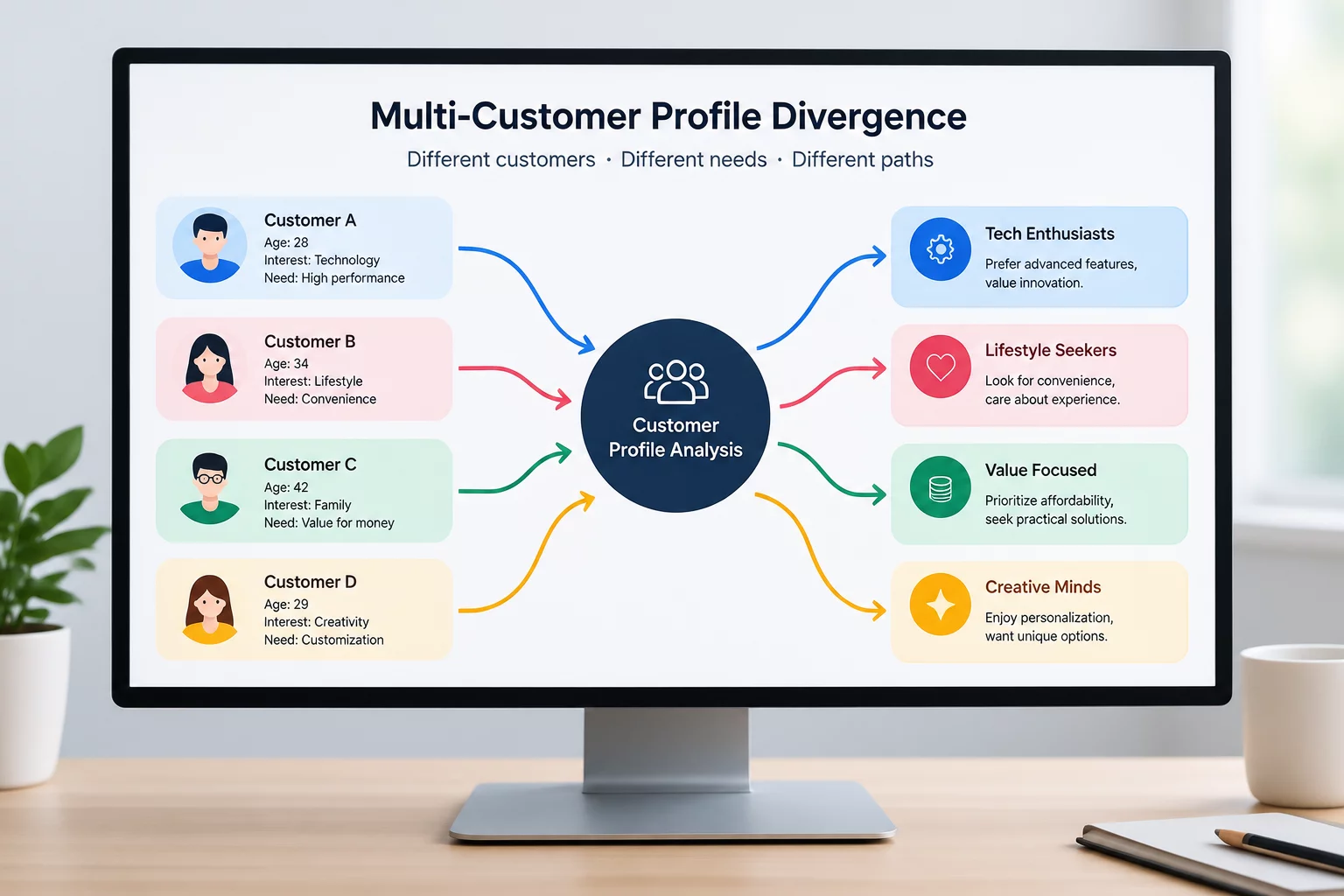
Sharing a single dispatch profile across multiple client accounts presents immediate configuration efficiency, but it establishes an unmanaged shared failure domain. In early October, an operations desk discovered that an alteration requested by client Alpha silently propagated altered customs declarations and billing codes onto shipments for clients Beta and Gamma. Here is how the shared configuration broke down, why default inheritance obscured the error, and the exact decoupling protocols required to prevent future silent overrides.
Incident Fact Sheet & Parameters
- Impacted Accounts
- 3 Linked Client Desks (Alpha, Beta, Gamma)
- Root Exception
- Unchecked Shared Profile Inheritance Mutation
- Silent Divergence Window
- 4 Business Days / 14 Batches Dispatched
- Resolution Action
- Profile Forking & Discrete Default Partitioning
How a Common Profile Bound Three Independent Shippers
In mid-2025, the shipping desk consolidated three regional manufacturing suppliers under a single standardized software profile titled Standard Regional Industrial. Because all three accounts consistently dispatched freight palletized in identical dimensions to the same regional sorting terminals using third-party billing, desk operators grouped them under one template. This shortcut saved minutes during onboarding and ensured consistent packaging dimensions without manual data entry.
However, this operational convenience overlooked a core architectural reality: convenience grouping in shipping software treats profile updates globally. When Account Alpha requested an urgent shift to pre-paid split billing with custom delivery duties paid (DDP) for an ongoing overseas contract, a desk technician modified the base profile directly rather than cloning a dedicated record. The desk assumed the change applied merely to the active order in front of them, but the underlying system linked the profile directly across all three client identifiers.
Audit Your Customer Defaults
Examine standard desk rules for establishing immutable profile boundaries and preventing shared template mutations across accounts.
The Point of Divergence and Manifest Breakdown
The consequences manifested forty-eight hours later when Account Beta dispatched twelve skids of precision tooling intended for standard domestic consignee billing. Because Beta drew its defaults from the altered master profile, the shipment generated commercial invoices with Alpha's international tax identifiers and applied specialized duty handling fees. The warehouse floor packed the items without detecting the deviation, as the physical carton labels appeared normal to visual spot-checks.
A shared profile is a silent contract between unrelated accounts; modify one parameter for one shipper, and you inadvertently rewrite operations for every other linked partner on your desk.
The error only came to light when Accounts Payable flagged a sudden surcharge dispute from Account Gamma's freight auditor. Upon cross-checking database records, the shipping desk discovered that all three independent client accounts had executed their recurring runs against modified billing instructions. Resolving the incident required identifying the exact audit steps needed to partition shared profiles:
- Implement mandatory profile forking whenever a single parameter diverges from standard baseline defaults.
- Lock master customer templates against direct editing during daily order processing routines.
- Require distinct account identifiers in shipping databases even when operational workflows appear completely identical.
Isolating Profile Architecture to Safeguard Recurring Workflows
To remediate the operational failure, the team detached all shared templates and established unique profile IDs for each supplier. When setting up accounts with parallel shipping patterns, operators must now clone the master schema into dedicated customer namespaces. This isolation guarantees that subsequent customizations, temporary rate concessions, or altered invoice designations remain strictly confined to the requesting shipper.
Operational efficiency should never be bought at the expense of profile isolation. When client behavior inevitably changes, having isolated data structures ensures that adjustments remain controlled exceptions rather than cascading warehouse disruptions.