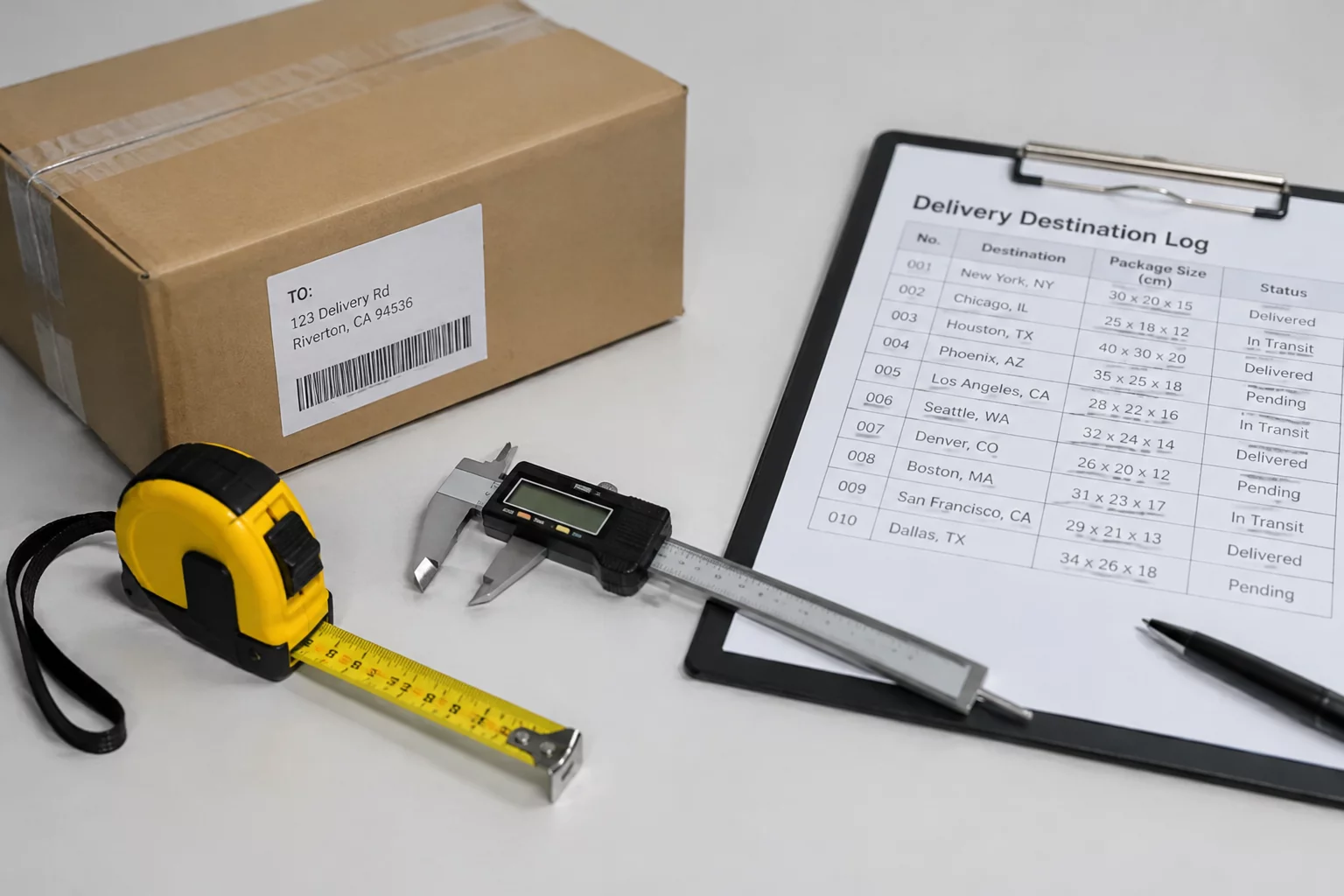
When an operator inputs a known commercial destination into the desk manifest console, the dispatch software populates pre-configured packaging defaults automatically. During this audit at a mid-tier regional distribution hub, an order for a long-standing client matched their primary dock address perfectly, but the physical carton exceeded the default weight class by forty-two pounds and triggered conveyor sort diversion.
Address matching provides operators with a reassuring sense of routine safety. In typical morning dispatches, ninety percent of shipments destined for this recurring account consisted of standardized ten-pound parcels packed inside twenty-inch corrugated cartons. On the morning in question, the system accepted the destination profile without a prompt, automatically applying standard parcel rates and standard courier packaging flags. When warehouse staging staff rolled the physical crate onto the weighing scale, the actual weight registered at fifty-two pounds with an irregular pallet base. Because the profile editor had locked parcel dimensional defaults to the account level, the manifest label printed before the cargo physical dimensions were ever cross-checked against the bill of lading.
The Failure Point Between Saved Profiles and Physical Manifests
The breakdown stemmed from a structural misconception about customer defaults. Profiles exist to speed up repetitive data entry, but shipping desks frequently treat them as universal guarantees of parcel uniformity. In this case, the warehouse management system communicated the recipient address code accurately, yet omitted the altered skid flag from the electronic data interchange feed. Consequently, the desk operator printed a standard ground parcel barcode for an item that required a liftgate and specialized pallet strapping. The freight driver refused the package at dock pickup, causing an unexpected carrier demurrage surcharge and a four-hour delivery delay.
“A verified address confirms where the freight travels, never what shape, weight, or service level the cargo demands.”
— Marcus Sterling, Senior Logistics Auditor
Reconfiguring Desk Safeguards and Profile Verification Prompts
Immediate intervention required the shipping desk supervisor to void the generated label, unbind the destination account profile from automated parcel sizing, and regenerate an LTL manifest with corrected cube parameters. To prevent recurrent discrepancies, the desk implemented a mandatory dimensional check prompt: whenever package weight deviates by more than twenty percent from the historical profile median, the console forces the operator to manually confirm cargo dimensions before generating a carrier barcode.
Case Incident Metrics & Variance Profile
- Consignee Destination IDLOC-9042 (Midwest Regional Hub)
- Recorded vs Actual Weight10.0 lbs Default / 52.4 lbs Actual
- Packaging VarianceStandard Carton vs Oversize Pallet
- Surcharge Avoidance Metric$184.50 in Carrier Dimension Fees
Reliable shipping desks do not dismantle automated destination matching; rather, they decouple recipient address certainty from physical package assumptions. By establishing hard operational checkpoints at the scale interface, logistics teams preserve rapid processing speeds without exposing their billing stream to preventable dimensional penalties and transit delays.
Prevent Profile Mismatch in Recurring Dispatches
Receive our standardized desk validation checklist covering dimensional exceptions, weight variances, and carrier handoff protocols.