Parameters Overview
Preventing Silent Decay in Long-Term Dispatch Presets
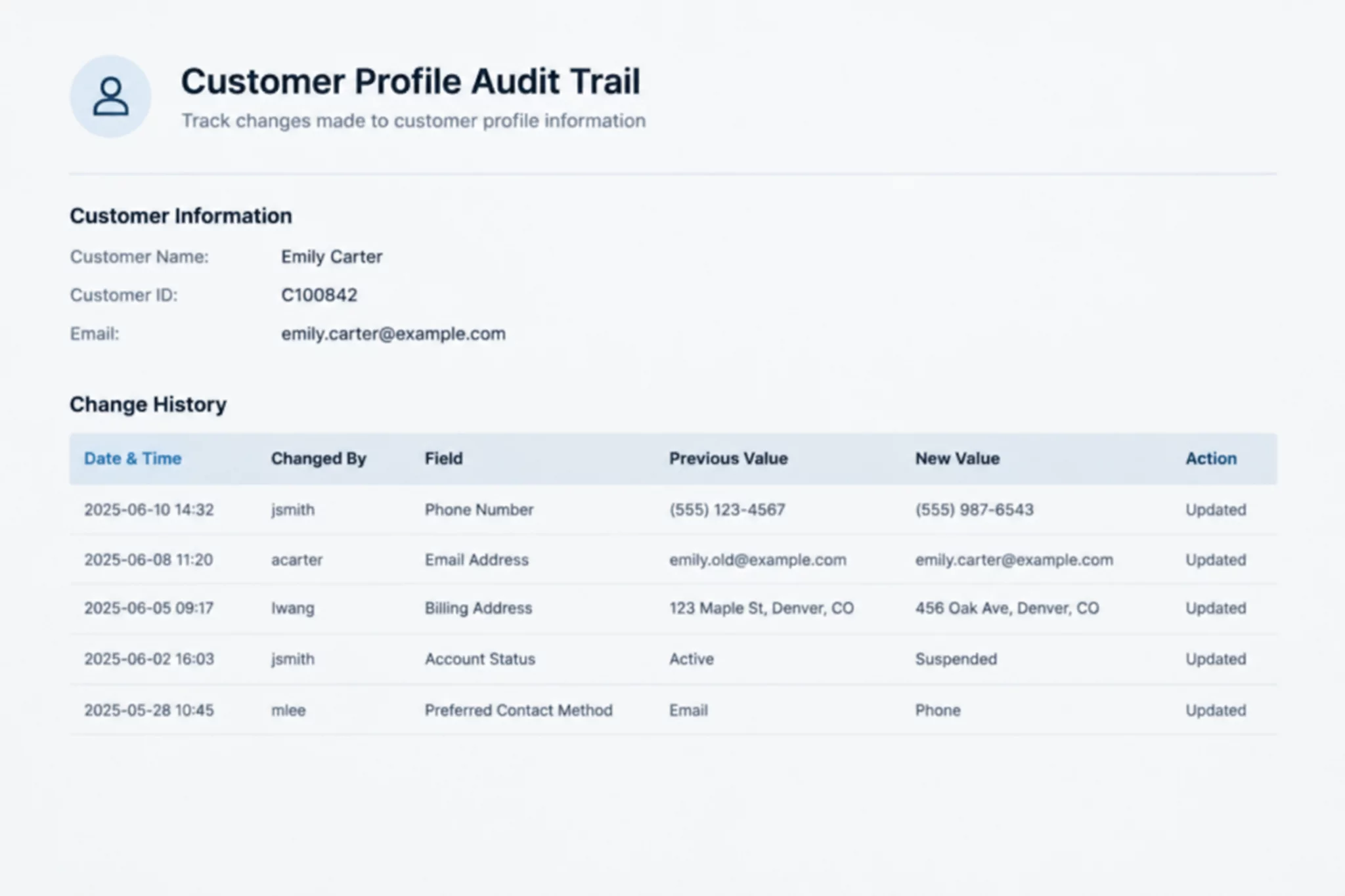
A customer profile represents a tested set of operational assumptions, yet repetitive execution causes operators to introduce minor manual overrides that eventually detach the profile from commercial reality. Establishing an immutable documentation routine ensures that every modification traces back to an authorized commercial change rather than informal convenience on the desk.
When account patterns shift, logistics desks frequently face undocumented adjustments where one team member modifies box dimensions, carrier services, or customs billing codes without informing subsequent shifts. Subsequent dispatches inherit those edits blindly, leading to misrouted parcels, disputed accessorial surcharges, and lost audit trails. Documenting evolution safely means separating one-off shipment exceptions from deliberate permanent profile updates.
The Three-Tier Verification Ledger
Desks managing high volumes must enforce a structured three-tier ledger before any permanent preset undergoes adjustment. Record entries must identify the author, the commercial authorization, and the anticipated operational scope:
- Baseline Versioning: Always duplicate the existing profile under a timestamped legacy identifier before writing changes into the production database.
- Field-Level Attribution: Explicitly document the specific trigger, whether it involves customer contract amendments, carrier tariff zone realignments, or packaging material re-engineering.
- Parallel Dispatch Run: Process the initial three recurring orders with manual verification side-by-side against the historical profile baseline.
Failing to separate variable parcel conditions from structural profile presets invariably creates systematic bottlenecks. An operator who handles cold-chain goods or palletized freight cannot assume that an altered dimension represents an all-order mandate without client-confirmed packaging specifications on file.
Establishing Shift-to-Shift Profile Governance
Audit trails remain useless if documentation rests in disconnected private spreadsheets. The desk ledger must link directly into shift handoff logs, confirming that every team member sees pending baseline tests before processing manifests. When a profile modification proves erratic after three cycles, the desk immediately initiates a clean rollback to the prior verified configuration without disrupting warehouse flow.
Operational Takeaways
Key guidelines for dispatchers maintaining reliable recurring records across rotating desks:
- Never alter an active client profile during an active dispatch rush; capture temporary parameters as order-level exceptions instead.
- Archive prior configuration records before saving new dimensional, carrier, or customs default data.
- Require secondary desk verification for changes affecting third-party billing accounts or export documentation.
Submit Profile Audit Questions
Consult with practitioner teams regarding complex profile migration issues or software discrepancy registries.