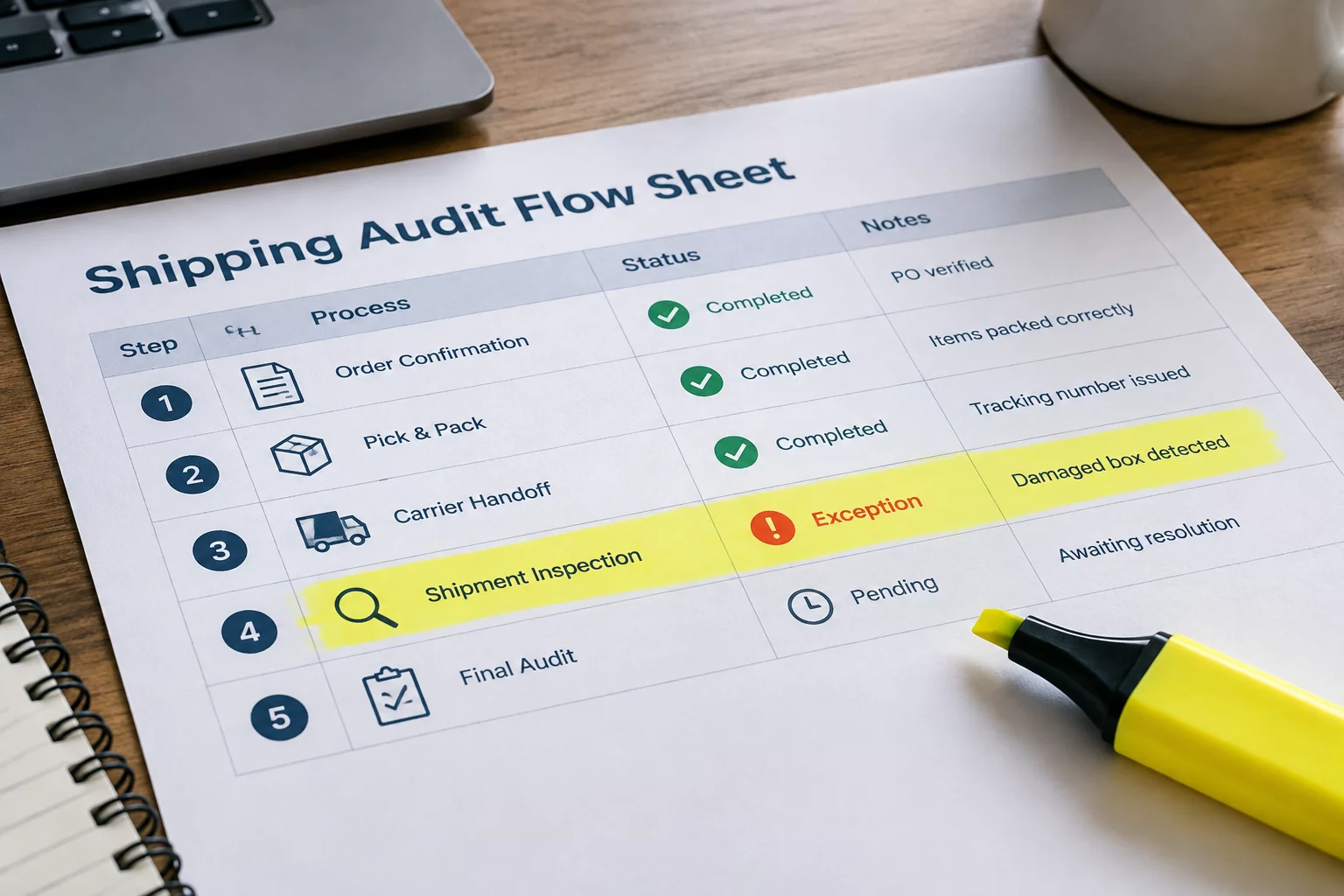
In automated dispatch desks, an isolated manual override is rarely a harmless one-off; it is almost always the visible smoke of an invisible fire. When an operator manually bypassed a third-party billing account on a routine pallet run, the action appeared trivial on the surface. Yet probing that single deviation exposed months of undocumented profile edits across 34 distinct customer master records.
The incident originated during an afternoon rush at a Midwestern logistics hub. A recurring manufacturing account, configured under automated billing rules for four consecutive quarters, suddenly produced a freight reject warning at the manifest station. Pressed for turnaround time before terminal cutoff, the shipping desk clerk clicked through the warning prompt, forced a temporary manual account number into the billing field, and generated the bill of lading. Because the freight physically moved without delay, nobody flagged the intervention during shift handover. However, when end-of-month carrier reconciliation generated unexpected chargeback adjustments, the investigation traced the anomaly directly back to that single keystroke override.
How One Handled Exception Concealed Multiple Baseline Alterations
A granular review of the terminal audit trail revealed that the profile itself had been altered three weeks earlier without managerial sign-off. A temporary packaging dimension change had been saved directly into the master profile template rather than being handled as a shipment-level parameter. Consequently, the automated calculation engine misclassified the package density, triggering an incompatible carrier tariff tier that rejected the default third-party freight billing code. Instead of recognizing that the stored profile had deteriorated, three successive shifts assumed the carrier account credentials had expired and began manually overriding billing numbers on dozens of separate recurring dispatches.
“When an operator treats an exception as a routine bypass instead of a structural warning, the profile ceases to protect the desk against costly baseline divergence.”
— Rachel Adams, Operations Quality Lead
Implementing Hard Profile Boundaries and Verified Escalations
To prevent recurring silent drift, the logistics facility overhauled its desk operating rules. All workstation permissions were reconfigured to separate repeatable customer baseline fields from shipment-specific operational inputs. Package dimensions, accessorial add-ons, and consignee contact overrides are now strictly isolated to transaction screens, making it impossible to overwrite master account records during active processing. Furthermore, any manual billing override now automatically posts an exception alert to the team lead ledger, ensuring every variance is evaluated during daily handoff rather than discovered months later during invoice reconciliation.
Incident Audit Findings & Performance Impact
- Initial Override ClassificationSingle-Use Billing Code Bypass
- Dormant Profile Drift Duration21 Days Undetected
- Erroneous Dispatches Reversed34 Consignments Remanifested
- Post-Audit Correction Rate99.4% Profile Integrity Restored
The greatest vulnerability on high-throughput shipping desks is the normalization of informal workarounds. When operators use quick exceptions to keep parcels moving, they inadvertently silence the software alarms designed to preserve data integrity. Treating every singular exception as a potential profile discrepancy guarantees that systemic configuration errors are resolved at the desk before they compound into systemic invoicing disputes.
Receive Desk Audit Updates & Case Briefs
Join logistics coordinators and dispatch managers receiving bi-weekly field analyses on shipping profile architecture and exception management protocols.