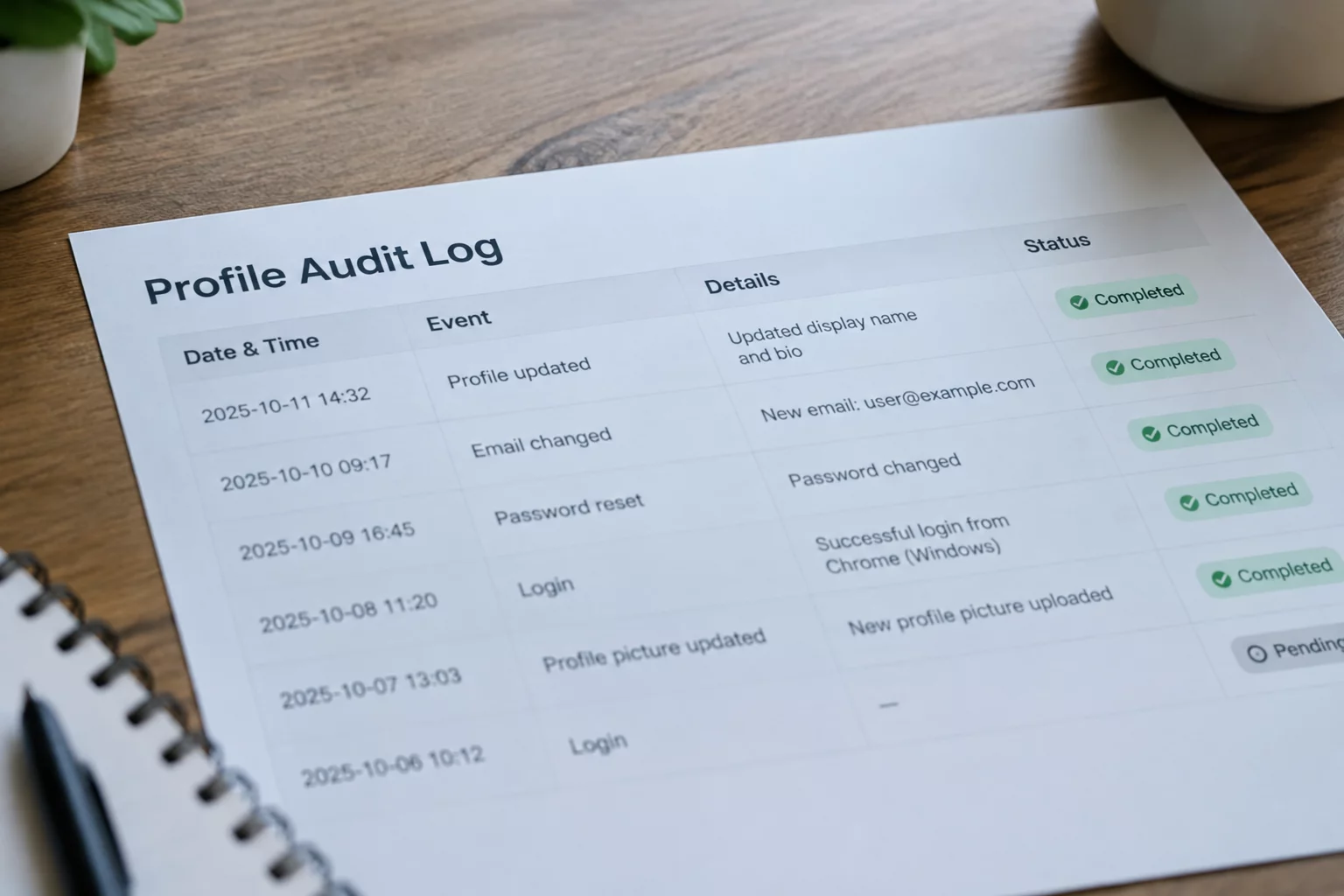
Silent profile modifications create instant ambiguity across multi-shift dispatch desks. When an operator updates an established client record to bypass an isolated morning packaging constraint, subsequent team members cannot distinguish whether the new value reflects permanent customer instructions or an ad-hoc accommodation.
Incident Registry Fact Sheet
- Registry ID
- REG-842-LOG
- Manifest Impact
- Silent Default Overwrite
- Root Mechanism
- Omitted Change Rationale Field
- Desk Resolution
- Mandatory Rationale Handoff Log
The Cascade of Unrecorded Modifications
Software profile editors make updating repeat shipping defaults effortless, yet that very speed invites operational vulnerabilities. A single unchecked change to default billing accounts, package dimensions, or carrier services takes effect across all upcoming shipments immediately. When the prompt or field notebook contains no notes detailing why the parameters shifted, the next operator is forced to guess.
Discrepancies quickly multiply across shifts. The morning desk assumes the afternoon lead negotiated special freight charges, while the afternoon lead believes the client requested revised container dimensions. This communication void converts a well-intentioned temporary adjustment into an entrenched operational hazard.
Verify Standard Shipping Profile Rules
Explore baseline criteria for differentiating permanent customer defaults from temporary shipment adjustments.
Typical Friction Points Discovered in Audit Trails
Logistics teams encounter repeated friction points when retrospective audits attempt to trace unexpected rate bumps or carrier surcharge penalties back to a single profile change.
An undocumented change in a shipping profile is functionally identical to an unauthorized change once the original operator leaves the desk.
Our field records highlight three consistent operational breakdowns whenever dispatch adjustments bypass the change ledger:
- Package dimension overrides intended for custom crates persist into standard corrugated carton orders.
- Third-party billing account swaps remain active, causing billing disputes during client reconciliation.
- Expedited transit codes applied for emergency replenishment continue charging premium rates on standard ground stock runs.
Establishing Accountable Change Documentation
Resolving unrecorded adjustments requires decoupling permanent master file updates from daily dispatch overrides. Standard operating procedures must enforce a mandatory note entry whenever default attributes change in profile management tools. The note should specify the initiating party, authorization ticket, and expiration date if the alteration is short-term.
Routine audits also prevent silent drift. Reviewing profile edit logs at the end of each operational cycle ensures every customer preset remains justified, accurate, and completely transparent for the entire warehouse team.